
TL;DR

Get workout gear delivered free with Prime
- Fast, free delivery on millions of items
- Prime Video, Amazon Music and more included
- Member-only deals all year
Trainer and liftCLINIC CEO Amanda Lim shared a sample week combining strength workouts, cardio, walking, yoga and postpartum core rehabilitation. She says scale weight should not stand in for a health assessment and recommends tracking other measures, starting with manageable activity and practicing self-compassion.
Trainer and liftCLINIC CEO Amanda Lim has shared a sample week of exercise built around strength training, cardio, walking and recovery, alongside advice not to treat scale weight as a measure of overall health. The Fit&Well report describes the routine as one approach Lim follows, not a prescribed plan for everyone.
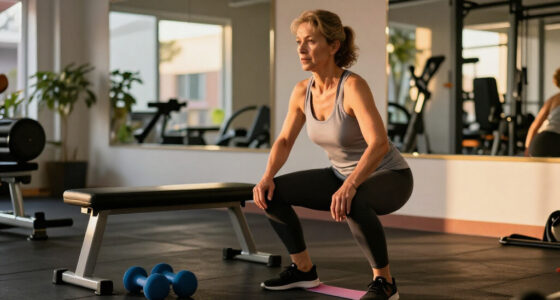
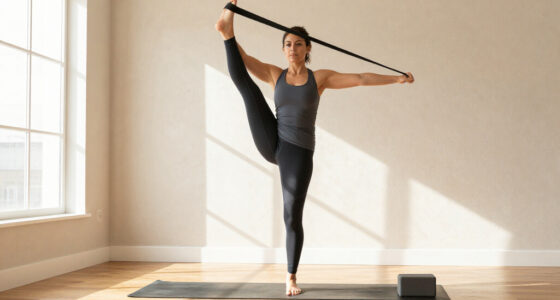
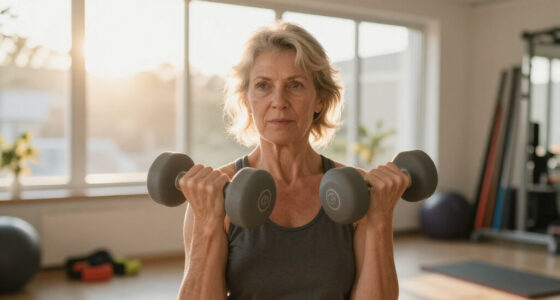
Lim’s example week includes leg-focused strength training on Monday and upper-body strength work on Tuesday, followed by postpartum core rehabilitation on Wednesday. Thursday is set aside for walking as active recovery. On Friday, she does running intervals in the morning and yoga in the evening; Saturday includes a power-focused workout, and Sunday a zone two run. The schedule lists workout times but does not give session lengths, intensity targets or specific exercises.
Lim, 43, has worked as a trainer for more than 20 years and is the CEO of liftCLINIC, described in the report as a metabolic health center focused on longevity. She is also a mother of three. Lim says she continues to include pelvic-floor, deep-core and postpartum rehabilitation in her fitness routine, and connects that work with changes she experiences as she approaches perimenopause.
Her five recommendations are to find ways to track progress beyond body weight, welcome the early gains of being a beginner, learn new physical skills, begin with walking and practice self-compassion. Lim says she tracks her own progress through the weights she lifts and measurements of muscle mass. Those are her personal methods, not a clinical assessment or a recommendation that every reader use the same measures.
Progress Beyond Body Weight
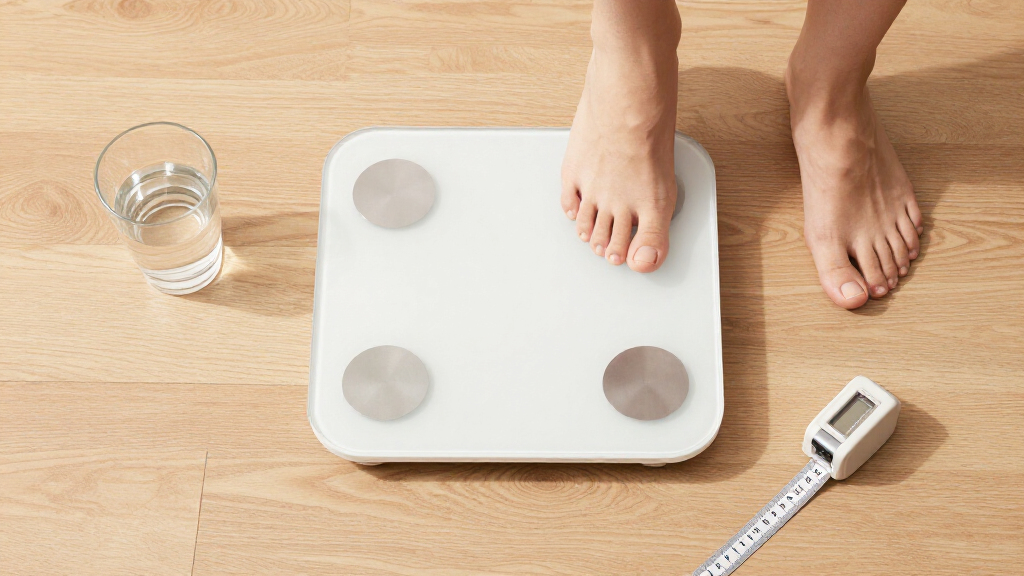
Lim’s advice speaks to a common distinction in fitness coverage: body weight is one measurement, not a complete health assessment. She says the two do not necessarily track closely together and suggests following changes in strength or muscle mass as other indicators of training progress. The report does not provide evidence that any one measure can assess a person’s overall health on its own.
The routine also shows how Lim combines different types of movement across a week rather than relying on a single workout style. For readers seeking a sustainable approach, her suggestions emphasize manageable activity and consistency, including a short walk for someone who is not currently exercising. Individual ability, health conditions and recovery needs differ; the article presents Lim’s experience rather than individualized medical or training guidance.
adjustable dumbbells for home workouts
As an affiliate, we earn on qualifying purchases.
As an affiliate, we earn on qualifying purchases.
A Routine Built Around Several Needs
Lim describes her approach as a balance of functional strength training, zone two cardio and daily steps. Her posted schedule adds intervals, yoga, power work and a recovery walk. It is an example week, not evidence that this exact mix is necessary or suitable for all people.
The report says Lim continues postpartum core rehabilitation even though her youngest child is two and a half. She argues that pelvic-floor and core work can remain relevant beyond the period immediately after childbirth, and relates it to her own experience approaching perimenopause. These comments reflect Lim’s perspective; the source does not report a clinical study or medical guidance establishing a routine for postpartum recovery or perimenopause.
“We have to separate the number on the scale—the weight of our bodies—from the assessment of our health, because those two things don’t typically track beautifully together.”
— Amanda Lim, trainer and liftCLINIC CEO
suspension trainers for strength training
As an affiliate, we earn on qualifying purchases.
As an affiliate, we earn on qualifying purchases.
Limits of the Published Routine
The report does not say when the routine was followed, whether Lim follows the same schedule every week, or how long and how intensely each session lasts. It also does not establish that the routine has been tested for health outcomes or that it is appropriate for readers with different fitness levels, injuries, pregnancy or medical conditions.
Lim’s comments about beginners’ muscle development and postpartum or perimenopause experiences are attributed to her; the article does not provide supporting study details. It is also unclear what method she uses to measure muscle mass. The source offers no clinical evaluation of her health and no claim that scale weight should be ignored in every medical setting.
postpartum core rehabilitation equipment
As an affiliate, we earn on qualifying purchases.
As an affiliate, we earn on qualifying purchases.
Adapting Advice to Individual Needs
The article presents no announced follow-up, new research or next milestone. Readers considering changes to their exercise routine can use Lim’s schedule as an example, not a prescription, and adjust activity to their circumstances. People returning to exercise after childbirth, managing an existing condition or experiencing pain should seek guidance from an appropriate health professional. For a beginner, Lim’s practical starting point is a short walk, with progress measured through achievable personal goals rather than scale weight alone.
As an affiliate, we earn on qualifying purchases.
Key Questions
What does Amanda Lim’s weekly workout schedule include?
Her example week includes two strength-focused sessions, postpartum core rehabilitation, a recovery walk, running intervals, yoga, a power workout and a zone two run. The report does not give session durations or detailed exercise plans.
Why does Lim say not to judge health by scale weight alone?
Lim says body weight and health do not always track closely together. She describes tracking her lifting numbers and muscle mass as other ways to monitor her own training progress; these do not replace a medical assessment.
What does Lim recommend for someone new to exercise?
She recommends starting with walking and suggests beginning with a five-minute walk. The suggestion is a manageable starting idea, not a guarantee of results or a requirement for every person.
Is Lim’s workout routine suitable for everyone?
The report presents it as Lim’s personal example, not a universal plan. People with health conditions, injuries or postpartum recovery needs may want advice from a qualified health professional before changing their activity.
Source: rss
Halloween Picks
halloween
As an affiliate, we earn on qualifying purchases.