
TL;DR
Recent studies indicate that analyzing certain blood markers could help predict healthy aging. Researchers are exploring how blood composition influences aging processes, with potential for new interventions.
Recent scientific research has identified specific blood biomarkers associated with healthier aging, suggesting that the key to aging well may lie within our blood. This discovery could pave the way for new diagnostic tools and targeted therapies aimed at promoting longevity and reducing age-related decline.
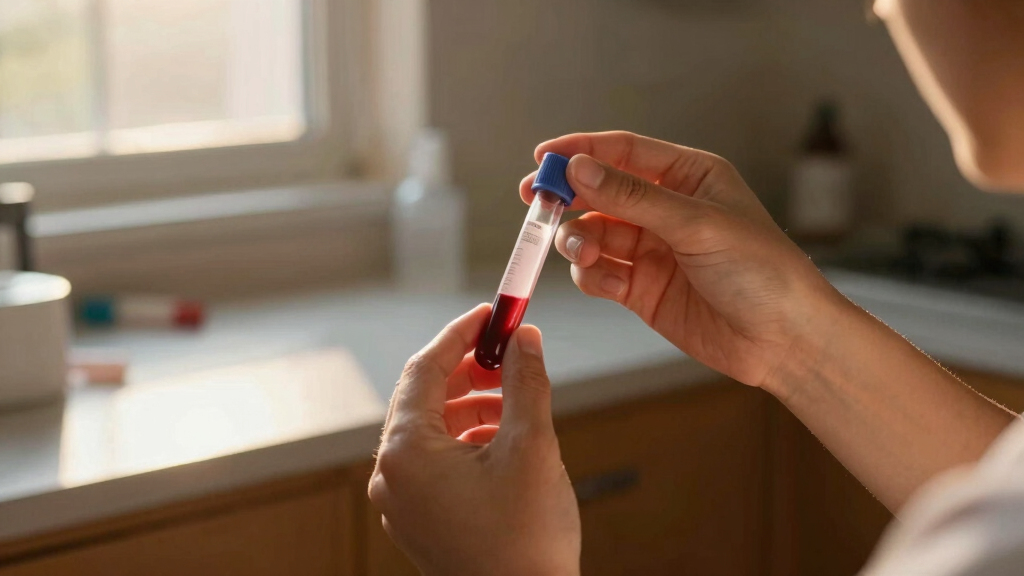
Multiple studies published in late 2023 have found correlations between certain blood components—such as specific proteins, lipids, and immune markers—and measures of healthy aging. Researchers from leading institutions analyzed blood samples from diverse populations, noting that individuals with particular biomarker profiles tend to experience fewer age-related health issues and maintain better physical and cognitive functions. These findings support the hypothesis that blood composition influences aging processes and could serve as a basis for personalized interventions. Experts caution, however, that while these correlations are promising, further research is needed to establish causality and develop practical clinical applications.Implications of Blood-Based Biomarkers for Aging
This research matters because it offers a potential biological target for diagnosing and possibly modifying aging trajectories. If specific blood markers can reliably predict health span, clinicians could develop personalized strategies to promote healthier aging, potentially reducing healthcare burdens associated with age-related diseases. Moreover, understanding the biological mechanisms behind these biomarkers could lead to novel treatments that slow or reverse aspects of biological aging, improving quality of life for older adults.
As an affiliate, we earn on qualifying purchases.
Advances in Aging Research and Blood Biomarker Studies
Over the past decade, scientists have increasingly focused on the biological underpinnings of aging, including telomeres, genetic factors, and immune system changes. Recent efforts have turned toward identifying blood-based biomarkers that reflect biological age more accurately than chronological age. Previous studies have linked certain inflammatory markers and metabolic profiles to aging, but the latest research emphasizes a broader panel of blood components. These developments build on earlier work suggesting that blood tests could serve as non-invasive tools for assessing health risks and tailoring interventions for aging populations.
“Identifying reliable blood biomarkers opens new pathways for early diagnosis and personalized interventions that could extend health span.”
— Dr. Emily Carter, aging researcher at the Institute for Longevity Studies
As an affiliate, we earn on qualifying purchases.
Causality and Practical Applications Still Unclear
Although correlations between blood biomarkers and healthy aging have been observed, it remains unclear whether these markers directly influence aging processes or are simply associated with them. The development of targeted therapies based on these findings is still in early stages, and clinical validation is required before routine use. Additionally, individual variability and environmental factors complicate the interpretation of blood biomarker profiles.
As an affiliate, we earn on qualifying purchases.
Next Steps in Research and Clinical Validation
Researchers plan to conduct longitudinal studies to track changes in blood biomarkers over time and their relationship to health outcomes. Clinical trials testing interventions aimed at modifying these biomarkers are also anticipated. In parallel, efforts are underway to standardize blood testing protocols and develop predictive models that can be integrated into routine healthcare, aiming to translate these discoveries into practical tools for promoting healthy aging.
As an affiliate, we earn on qualifying purchases.
Key Questions
Can blood biomarkers predict how well I will age?
Current research suggests that certain blood markers are associated with healthier aging, but they are not yet reliable predictors for individuals. More studies are needed to confirm their predictive power.
Are there existing treatments based on these blood biomarkers?
Not yet. The research is still in early stages, and no approved therapies target these biomarkers specifically. Future studies may lead to personalized interventions.
How soon might this research lead to practical health tools?
It could take several years of validation and clinical trials before blood-based tests or treatments become part of routine healthcare for aging.
Does this mean aging can be reversed?
Current findings do not suggest aging can be reversed, but they offer hope for slowing age-related decline and improving health span through targeted interventions.
Source: rss