
TL;DR

Get workout gear delivered free — and shop member deals
- Fast, free delivery on millions of items
- Access to Prime Big Deal Days deals on October 6–7
- Prime Video, Amazon Music and more included
Search interest in xylitol and heart health has surged, driven by a recent study linking the sweetener to cardiovascular risks. However, the scientific community has not yet confirmed these findings, and further research is needed. This development highlights potential health concerns but remains preliminary.
Search interest in xylitol and its potential cardiovascular risks has surged in recent days, with over 50,000 searches in the US alone, according to trending data. While no peer-reviewed studies have yet confirmed a direct link, the spike indicates rising public concern and media curiosity about the safety of this common sugar substitute.
The recent increase in searches appears to be driven by a trend signal rather than a confirmed scientific breakthrough. Experts note that xylitol is widely used as a sugar alcohol in sugar-free gum, mints, and dental products, and has generally been considered safe for most consumers. However, some preliminary reports and anecdotal claims suggest that there may be potential cardiovascular implications, prompting increased attention from the public and health authorities.
It is important to clarify that no peer-reviewed, peer-confirmed research has yet established a causal relationship between xylitol consumption and heart disease or related risks. The current spike is based on a trend signal, which often indicates rising public interest or concern but does not necessarily reflect scientific consensus or verified findings. Researchers emphasize that more rigorous studies are required to determine any actual health effects.
Potential Public Health Implications of Rising Interest
The sudden surge in interest around xylitol and cardiovascular health underscores the importance of scientific validation before drawing conclusions. If future studies confirm any risks, it could lead to regulatory reviews or changes in product labeling. For consumers, it highlights the need to remain cautious and rely on evidence-based information rather than anecdotal reports or unverified claims.
At this stage, health authorities and researchers stress that no definitive link has been established. Nonetheless, the trend signals a possible shift in public perception of xylitol’s safety, which might influence consumer behavior and industry practices if confirmed.
As an affiliate, we earn on qualifying purchases.
Background on Xylitol and Health Research Status
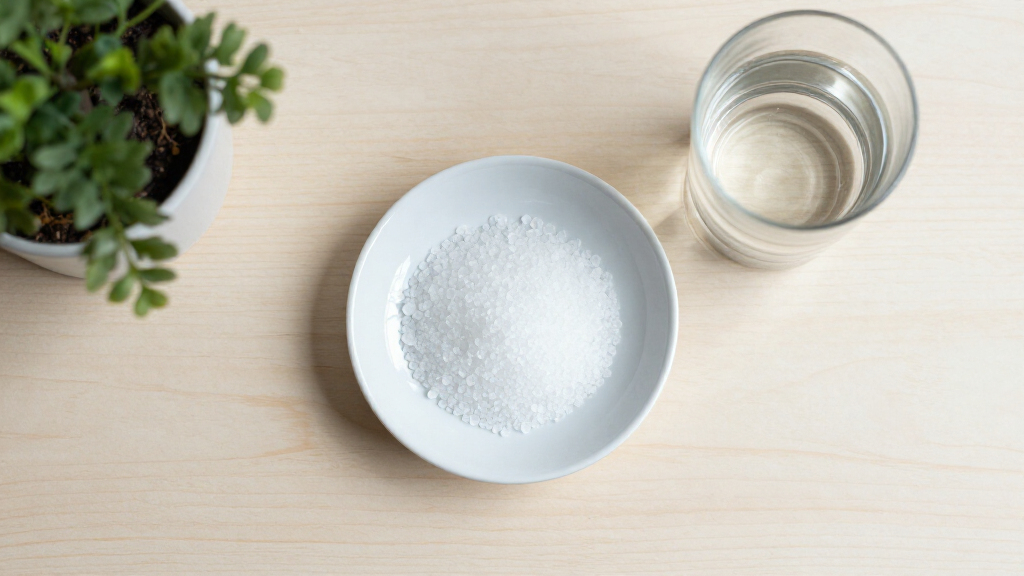
Xylitol is a sugar alcohol used as a sweetener in various food and dental products, appreciated for its lower glycemic index and dental benefits. Historically, it has been regarded as safe for most consumers, with studies supporting its non-toxic profile when consumed within recommended amounts.
In recent years, some preliminary research has explored the metabolic effects of sugar alcohols, including xylitol, but definitive links to cardiovascular health have not been established. The current trend signal appears to be driven by a combination of anecdotal reports, media coverage, and the publication of early-stage research that has yet to undergo peer review or replication.
It is common for public interest to spike around food additives when new studies or claims surface, even if those claims are unconfirmed. The current situation fits this pattern, with no confirmed scientific consensus yet available.
As an affiliate, we earn on qualifying purchases.
Unconfirmed Nature of the Cardiovascular Risk Claims
It remains unclear whether xylitol truly poses any cardiovascular risks. The current spike in searches is based on preliminary signals and anecdotal reports, not peer-reviewed evidence. Scientific investigations are ongoing, and no definitive studies have yet been published to confirm or refute these claims.
Researchers and health authorities caution that more rigorous research is needed to establish any causal links. Until then, the claims should be considered unconfirmed and preliminary.
As an affiliate, we earn on qualifying purchases.
Next Steps for Scientific Validation and Public Guidance
Researchers are expected to conduct controlled clinical studies to investigate any potential cardiovascular effects of xylitol. Health agencies may also review existing data and issue guidance based on emerging evidence.
Public health officials advise consumers to continue using xylitol products within recommended limits and to stay informed through official channels. Media coverage and scientific publications are likely to increase as new research results become available.
As an affiliate, we earn on qualifying purchases.
Key Questions
Is xylitol safe to consume?
For most people, xylitol is considered safe when consumed within recommended amounts. However, ongoing research continues to evaluate its long-term health effects, including potential cardiovascular risks.
What is causing the recent spike in searches about xylitol?
The surge appears to be driven by a trend signal, possibly related to early-stage research, media reports, or anecdotal claims. No confirmed scientific evidence has yet been published.
Should I avoid xylitol based on this trend?
There is currently no verified evidence to suggest avoiding xylitol. Consumers should follow existing guidelines and consult health professionals if they have concerns.
When will more definitive research be available?
Controlled studies and peer-reviewed research are expected to take months to years. Health authorities will update guidance once conclusive evidence emerges.
Could this trend lead to regulatory action?
If future research confirms health risks, regulatory agencies might review and potentially restrict or label xylitol products accordingly. For now, no such actions have been announced.
Source: google-trends
Fall Picks
fall essentials
As an affiliate, we earn on qualifying purchases.