
TL;DR

Get workout gear delivered free — and shop member deals
- Fast, free delivery on millions of items
- Access to Prime Big Deal Days deals on October 6–7
- Prime Video, Amazon Music and more included
Every adult needs a simple, consistent fitness baseline: regular cardio, strength, flexibility, and rest. Small, manageable habits make a big difference over time, supported by recent research and accessible routines.
Think you need hours at the gym or intense workouts to stay healthy? Think again. The truth is, a basic, manageable routine can do wonders for your body and mind—without the overwhelm or complexity.
This guide reveals the simple fitness baseline every adult should know. It’s about consistency, practicality, and making movement a natural part of your life. Ready to build a routine that sticks? Let’s get started.
The Simple Fitness Baseline Every Adult Should Know
TL;DR: Health does not require a punishing routine. A durable baseline is built from regular cardio, simple strength work, daily mobility, smart fuel, and real recovery. The point is not intensity for its own sake; it is a repeatable rhythm that your life can actually hold.
Moderate aerobic activity remains the practical benchmark for adults.
Short brisk walks can still support heart health, mood, and momentum.
Consistency beats sporadic effort.
Small sessions repeated often are easier to sustain and less likely to derail you.
Brisk sessions across the week
Weekly muscle-focused days
Daily range-of-motion work
Bodyweight is enough to start
Sleep, rest, and repair
Five habits that turn movement into a lifestyle.
The simplest adult fitness plan is not a single workout. It is a repeatable operating system: move your heart, load your muscles, keep your joints usable, fuel the effort, and let your body recover.
Warm breath, steady heart
Walking, cycling, stairs, swimming, or active breaks all count when they raise your heart rate. The weekly goal can be built from short blocks.
Functional muscle, no gym
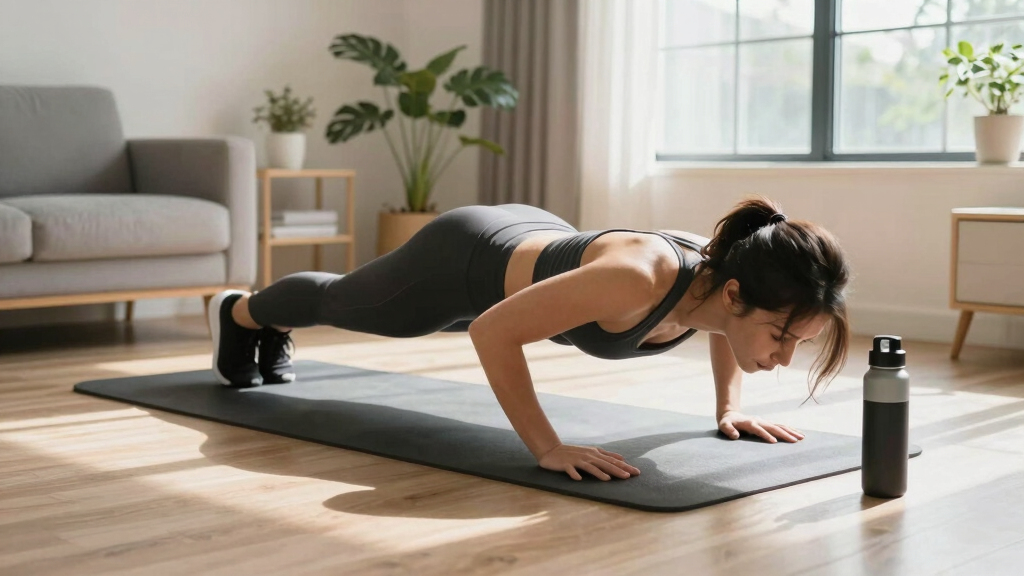
Squats, push-ups, lunges, planks, and carries train the patterns adults use every day: standing, lifting, bracing, reaching, and balancing.
Range you can rely on
Gentle stretching and mobility drills help joints stay comfortable, reduce stiffness, and support better movement during workouts and daily life.
Fuel before willpower
Vegetables, lean protein, healthy fats, and whole grains stabilize energy so your routine does not depend on motivation alone.
Repair is part of training
Sleep and rest days give muscles and the nervous system time to adapt, helping reduce injury risk and keeping the habit sustainable.
Measure lightly, adjust often
A journal, app, or wearable can reinforce consistency by making activity, sleep, and progress visible without making fitness complicated.
The baseline works because it is repeatable.
Intensity has its place, but most adults win by making the first step small enough to repeat and clear enough to track.
Choose a tiny anchor
Walk after dinner, stretch after brushing teeth, or do squats before coffee.
Repeat on schedule
Use regular cues instead of waiting for a perfect burst of motivation.
Progress gradually
Add minutes, reps, or difficulty only after the habit feels stable.
Protect recovery
Let sleep and rest keep the system fresh enough to continue.
Small sessions can still build the weekly target.
The tradeoff is simple: shorter workouts may need to happen more often, but they fit real schedules and reduce the friction that keeps people inactive.
Intensity sweet spot
A useful moderate session feels warm, steady, and breathable. You should notice your heart rate and breathing, but the effort should remain repeatable.
What counts, what helps, and what can wait.
The baseline favors accessible exercises first. Equipment can add variety, but it is not required to create meaningful health benefits.
| Fitness element | Simple option | Baseline fit | Common mistake | Practical target |
|---|---|---|---|---|
| Cardio | Brisk walking, stairs, cycling, swimming | ✓ Strong | Saving all movement for one exhausting day | Accumulate 150 moderate minutes weekly |
| Strength | Squats, push-ups, lunges, planks | ✓ Strong | Assuming strength requires a gym | Two or more sessions per week |
| Mobility | Hamstring stretches, hip openers, shoulder rolls | ✓ Strong | Skipping warm-ups and moving through pain | Five minutes daily |
| Wearables | Step count, heart rate, sleep tracking | ~ Helpful | Letting data replace body awareness | Use as feedback, not pressure |
| Extreme plans | High-intensity challenges or punishing programs | ✗ Optional | Starting too hard and burning out | Earn intensity after consistency |
Build the week before you build the workout.
Put a few repeatable blocks on the calendar: short cardio, simple strength, daily mobility, balanced meals, and protected sleep. The routine should feel almost too manageable at first.
- 01 Walk briskly for 10 to 30 minutes, using timers or habit cues to make it automatic.
- 02 Do two sets of squats, push-ups, or planks two to three times per week.
- 03 Stretch tight areas for five minutes in the morning or evening.
- 04 Pair each meal with protein, vegetables, and a steady carbohydrate source.
- 05 Treat rest as training support, not a reward for exhaustion.
How a small baseline compounds.
Each habit reinforces the next: better movement supports better energy, better recovery supports better consistency, and consistency keeps the cycle alive.
Key Takeaways
- Consistency beats sporadic effort—regular, moderate activity builds lasting habits.
- Even 10-minute brisk walks boost heart health and mood, making small efforts valuable.
- Bodyweight exercises like push-ups and squats are accessible, effective, and equipment-free.
- Flexibility routines prevent injuries and improve movement, supporting daily comfort.
- Rest and sleep are vital—muscles repair and motivation stays high when you prioritize recovery.
As an affiliate, we earn on qualifying purchases.
Why Consistency Outshines Intensity Every Time
Few things matter more than showing up regularly. A moderate, steady routine beats sporadic, intense efforts. When you stick to regular activity, your body adapts gradually, building endurance and strength without the risk of burnout. For example, a 20-minute walk five days a week not only improves cardiovascular health but also fosters a mental habit of routine, making it easier to maintain over the long term.
According to an anonymous researcher at thefitnessdailyreport.com, consistency helps turn exercise into a natural part of your daily rhythm, which is crucial because habits are more sustainable than sporadic efforts. This steady approach also minimizes injury risk—since gradual, consistent activity allows your muscles and joints to adapt without sudden strain—preventing setbacks that can derail progress.
In essence, prioritizing regularity over intensity ensures your efforts become part of your lifestyle, creating lasting health benefits and reducing the likelihood of injury and burnout.
**Practical takeaway:** Set a realistic weekly goal, such as 150 minutes of brisk walking or cycling. Break it into daily or every-other-day sessions. Use reminders or habit cues—like walking after dinner—to reinforce consistency. Track your progress with a simple journal or app to stay motivated and adjust as needed.
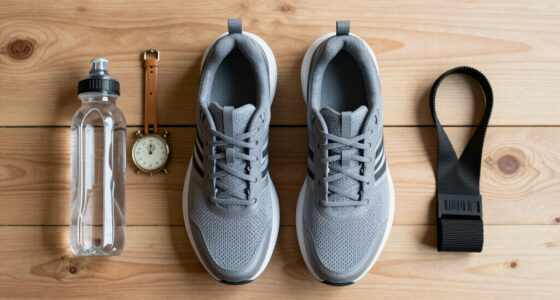
comfortable walking shoes for adults
As an affiliate, we earn on qualifying purchases.
As an affiliate, we earn on qualifying purchases.
The Essential Cardio Routine You Can Do Anywhere
Cardio isn’t about pounding the pavement for hours. It’s about elevating your heart rate enough to feel your chest warm and your breath quicken. This level of effort stimulates your cardiovascular system, improves circulation, and boosts energy levels. Doing just 10 minutes of brisk activity—like walking around your neighborhood—can trigger these benefits, especially when done consistently. Recent studies show that even small, frequent bursts of activity can significantly lower blood pressure, improve lipid profiles, and enhance mood.
Accessible options like jumping jacks during TV commercial breaks or climbing stairs at work are practical ways to incorporate cardio into your day. The key is consistency: accumulating 150 minutes of moderate activity weekly aligns with health guidelines and ensures ongoing benefits. The tradeoff here is that shorter sessions may require more frequent repetition, but they are easier to fit into busy schedules, making it more likely you’ll stick with them long-term.
**Practical takeaway:** Start with 10-minute sessions of brisk walking or active breaks every hour during your day. Use timers or app reminders to prompt movement. Gradually increase intensity or duration as habits form. Keep it simple—consistency beats intensity for long-term benefits.
As an affiliate, we earn on qualifying purchases.
Strength Training Made Simple — No Gym Needed
Strength isn’t just for bodybuilders. It’s a foundational element of functional health—helping you perform daily tasks, maintain mobility, and prevent falls as you age. Building muscle also supports your metabolism, which can help manage weight and energy levels. The good news? You don’t need fancy gym equipment. Bodyweight exercises like push-ups, squats, and planks are highly effective because they engage multiple muscle groups and can be adapted to your fitness level.
For instance, doing two sets of 10 squats and 10 push-ups three times a week provides a balanced stimulus to your major muscle groups. This routine not only maintains or increases strength but also promotes joint stability and mobility. When comparing options, free exercises like push-ups and squats are accessible and require no equipment, making them ideal for at-home routines. Resistance bands can add variety and challenge but aren’t necessary for foundational strength.
**Practical takeaway:** Incorporate these exercises into your weekly schedule—aim for at least three sessions of 10-15 minutes. Track your reps or sets to monitor progress. As you get stronger, add variations or increase repetitions gradually to keep challenging your muscles and avoid plateaus.
As an affiliate, we earn on qualifying purchases.
Flexibility and Mobility — Keep Your Body Moving
A flexible body moves better—and feels better, too. Incorporating stretching or mobility drills helps prevent injuries by maintaining the range of motion necessary for daily activities and exercise. When your joints and muscles are stiff or tight, your risk of strains and sprains increases, and your ability to perform movements efficiently diminishes. Regular flexibility work improves circulation, reduces muscle soreness, and enhances posture.
For example, dedicating just 5 minutes in the morning to gentle stretches like hamstring or hip openers can improve your overall movement quality. Focused mobility exercises, such as shoulder rolls or leg swings, target specific areas that tend to stiffen with age or inactivity. Over time, these routines help your body recover faster from workouts, carry out daily tasks with less discomfort, and maintain independence longer.
**Practical takeaway:** Incorporate a short stretching routine into your morning or evening—aim for 5 minutes daily. Focus on major muscle groups, especially those prone to tightness. Use simple stretches like seated hamstring stretches or arm circles. Consistency is key to maintaining mobility and preventing injury.
Fuel Your Fitness with Smart Nutrition
Exercise alone isn’t enough. What you eat fuels your workouts and recovery. Focus on balanced meals: plenty of vegetables, lean proteins, healthy fats, and whole grains. Think of your body as a car—nutrition is the fuel that keeps it running smoothly. Without proper fuel, your energy levels drop, recovery slows, and your motivation wanes, making it harder to stay consistent with your routines.
For instance, pairing a chicken salad with avocado and quinoa provides sustained energy and nutrients necessary for muscle repair and immune support. Conversely, diets high in processed foods and sugars can cause energy spikes and crashes, leading to fatigue and decreased motivation. Making small dietary adjustments—like including more vegetables or swapping refined grains for whole grains—can significantly improve your energy and recovery capacity. The tradeoff is that poor nutrition can undermine your efforts and lead to setbacks, so aligning your eating habits with your activity level is crucial for sustainable progress.
**Practical takeaway:** Plan your meals ahead of time to include a variety of whole foods—aim for at least three balanced meals daily. Focus on adding vegetables and lean proteins to each meal. Keep healthy snacks accessible to avoid reaching for processed options during cravings.
Rest and Recovery — Your Secret Weapon
Rest isn’t laziness; it’s an essential part of any effective fitness plan. Muscles grow and repair during downtime, and recovery allows your nervous system to reset, reducing the risk of overtraining and injury. When you skip rest days or sacrifice sleep, you hinder these natural processes, which can lead to decreased performance, increased fatigue, and higher injury risk.
Imagine pushing hard through workouts every day without giving your body a chance to recover—eventually, your energy dips, motivation wanes, and progress stalls. Prioritizing 7-9 hours of quality sleep and scheduling at least one full rest day each week ensures your body has the necessary time to repair tissues, replenish energy stores, and adapt to training stresses. For example, after a few days of strength training, a rest day allows muscles to rebuild stronger, making subsequent workouts more effective and reducing the likelihood of strain or injury.
**Practical takeaway:** Schedule at least one full rest day each week and aim for 7-9 hours of sleep per night. Use that time to relax, hydrate, and nourish your body—avoiding strenuous activity. Listen to your body’s signals; if you’re feeling unusually fatigued, give yourself extra recovery time.
How Technology Helps You Stick to Your Routine
Wearables like fitness trackers and smartwatches are game-changers. They monitor your steps, heart rate, and sleep, helping you stay accountable. For example, a fitness band can remind you to move if you’ve been sedentary too long, turning data into motivation.
Tracking progress not only keeps you aware of your activity levels but also provides tangible evidence of your improvements, which can be highly motivating. Many apps offer goal-setting features, reminders, and social sharing options that make exercise feel more engaging and less like a chore. This feedback loop helps reinforce positive habits and makes it easier to adjust your routines as needed, ensuring long-term adherence.
**Practical takeaway:** Use a simple activity tracker or smartphone app to set weekly movement goals. Review your data weekly to see progress, and adjust your routines to stay challenged. Remember, tech is a tool—use it to guide, not obsess over, your habits.
Frequently Asked Questions
How much exercise do I need to see health benefits?
Most adults benefit from at least 150 minutes of moderate-intensity aerobic activity weekly, plus strength training twice a week. Even shorter sessions, like 10-minute walks, add up and improve your health over time.
Can I do this routine at home without equipment?
Absolutely. Bodyweight exercises like push-ups, squats, lunges, and planks require no gear and can be done anywhere—your living room, backyard, or even hotel room.
How do I stay motivated to keep exercising?
Set simple, achievable goals, track your progress, choose activities you enjoy, and integrate movement into your daily life—like walking during calls or stretching while watching TV.
Is going to the gym necessary?
Nope. Many effective routines are home-based or outdoors. The key is consistency, not location. Find what makes you move and stick with it.
How do I avoid injuries while exercising?
Warm up properly, focus on correct form, start with manageable intensity, and listen to your body. Rest and recovery are just as important as the workouts themselves.
Conclusion
Your best fitness habit might be the simplest one—showing up consistently. With manageable routines like daily walks, bodyweight strength exercises, and regular stretching, you create a foundation that lasts.
Imagine your body as a well-oiled machine—small daily adjustments keep it humming smoothly for years. What small step will you take today to build that lasting habit?
Fall Picks
fall essentials
As an affiliate, we earn on qualifying purchases.