
TL;DR

Get workout gear delivered free with Prime
- Fast, free delivery on millions of items
- Prime Video, Amazon Music and more included
- Member-only deals all year
A MedPage Today gastroenterology roundup published Oct. 8 highlighted studies linking accelerated biological aging with higher risk of early-onset colorectal cancer, suggesting a marginal possibility of hepatitis B transmission from domestic cats to people, and investigating why foods can trigger symptoms in people with IBD. The source provides headline-level summaries rather than full study methods, so the findings do not establish causes, individual risk, or clinical advice.
A gastroenterology research roundup published by MedPage Today on Oct. 8 highlighted three developments: a Korean cohort study associating accelerated biological aging with higher early-onset colorectal cancer risk, researchers’ suggestion of a marginal risk of hepatitis B transmission from domestic cats, and research into why people with inflammatory bowel disease (IBD) may develop symptoms from foods they once tolerated. The summaries do not establish that aging causes cancer or that cats are a common source of human hepatitis B.
The roundup reported that, in a large Korean cohort, accelerated biological aging was associated with a 93% increased risk of early-onset colorectal adenocarcinoma and a 132% higher risk of early-onset colon adenocarcinoma specifically. The findings were attributed to research published in Clinical Gastroenterology and Hepatology. The source summary does not give the cohort size, the age range used to define early-onset disease, how biological aging was measured, or the absolute risk for participants.
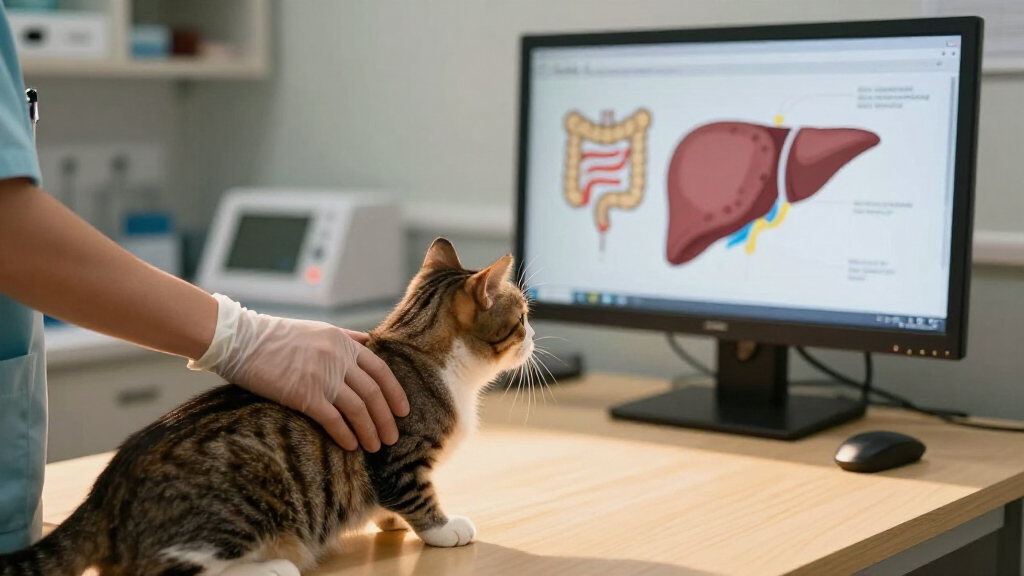
Separately, researchers suggested there may be a marginal risk of hepatitis B virus transmission from domestic cats to humans, according to the roundup’s account of a study in Hepatology. That wording indicates a possible, limited risk, not evidence in the supplied material that transmission is frequent or that a particular person acquired hepatitis B from a cat. The summary does not describe the study design or how transmission was assessed.
For IBD, the roundup said researchers reported clues to why people may experience symptoms after eating foods they previously tolerated; the research appeared in Gastroenterology. It did not identify specific foods, mechanisms, or a recommended diet. The same roundup covered other gastroenterology findings, but its three featured topics offer no basis for changing cancer screening, handling pets, or restricting food without individual medical advice.
Research Signals Across Digestive Health
The cancer association may help researchers examine whether measures of biological aging could contribute to future risk assessment for early-onset colorectal cancer. But an association in a cohort cannot show that accelerated aging caused the cancers, and the reported relative increases do not tell readers their personal or absolute risk. Without the study’s methods and baseline figures, the percentages should not be treated as an individual prediction or a reason on their own to alter screening plans.
The cat finding may draw attention to an area of possible animal-to-human infection, but the roundup characterizes the risk as marginal and gives no transmission rate or practical guidance. For people with IBD, the food research addresses a common and consequential concern: symptoms can make eating difficult, while broad food exclusions can be burdensome. The report offers research clues, not a tested diet or proof that a particular ingredient causes disease activity.
Together, the items show why early research needs careful interpretation. They concern different populations and questions, and none of the short summaries provides enough detail to translate the findings directly into clinical decisions.
As an affiliate, we earn on qualifying purchases.
Three Studies, Different Questions
The three topics came from a MedPage Today news and commentary roundup by managing editor Ian Ingram, dated Oct. 8, 2026. It gathered findings from separate publications rather than reporting one connected study. The colorectal cancer association was linked to Clinical Gastroenterology and Hepatology, the cat-related hepatitis B finding to Hepatology, and the IBD food-symptom research to Gastroenterology.
The roundup also listed research on pancreatic cancer risk in people with type 2 diabetes, treatments for fecal incontinence and ulcerative colitis, and liver disease. Those items provide breadth but do not establish a shared conclusion with the three developments discussed here. The available source text is a brief digest; it does not supply full papers, author statements, detailed methods, or independent expert responses.
“Accelerated biological aging was associated with a 93% increased risk of early-onset colorectal adenocarcinoma and a 132% higher risk of early-onset colon adenocarcinoma specifically.”
— MedPage Today’s summary of the Korean cohort study
early-onset colorectal cancer screening kit
As an affiliate, we earn on qualifying purchases.
As an affiliate, we earn on qualifying purchases.
Limits of the Available Findings
Important details are absent from the roundup, including the studies’ methods, participant characteristics and absolute risks. It is not clear how accelerated biological aging was defined, whether the cancer association holds across other populations, or how factors such as screening and health history were handled. The reported percentage increases cannot be converted into a reader’s personal risk from the supplied information.
For the cat finding, the source does not explain the evidence behind the proposed transmission route, the number of cases or exposures studied, or whether transmission was demonstrated directly. For the IBD research, it does not identify the foods or biological processes under investigation, nor say whether the findings apply across IBD conditions or individuals. The roundup also does not report whether further studies or clinical guidance have followed.
hepatitis B detection kit for pets
As an affiliate, we earn on qualifying purchases.
As an affiliate, we earn on qualifying purchases.
Full Studies Will Add Detail
The next step for readers seeking to assess these findings is the full research papers and any subsequent replication or expert guidance. Those materials would clarify study design, measurement, population, and limits. Until then, the roundup alone does not support changing colorectal cancer screening schedules, avoiding household cats, or beginning a restrictive IBD diet.
People with concerns about colorectal cancer risk, possible infection exposure, or food-related IBD symptoms can discuss their circumstances with a qualified health professional. For IBD, individualized advice matters because symptoms and tolerances vary; the reported research does not provide a universal food plan. The source gives no specific timetable for additional findings.
As an affiliate, we earn on qualifying purchases.
Key Questions
Does accelerated biological aging cause early-onset colorectal cancer?
No causal link is established by the roundup. It reports an association in a Korean cohort; further details are needed to assess how the study measured aging and accounted for other factors.
What do the reported cancer percentages mean?
The study summary reports a 93% higher risk of early-onset colorectal adenocarcinoma and a 132% higher risk of early-onset colon adenocarcinoma among people with accelerated biological aging. It does not give absolute risk figures, so these percentages do not show an individual’s chance of developing cancer.
Can a domestic cat transmit hepatitis B to a person?
The roundup says researchers suggested a marginal possibility of transmission. It does not provide enough detail to establish how often this might occur or confirm a specific transmission event.
Does the IBD research identify foods people should avoid?
No. The brief report says researchers found clues about symptoms from previously tolerated foods, but names no specific triggers and gives no dietary recommendations.
Should readers change screening or treatment based on this roundup?
The roundup is not a clinical guideline. It does not support changing screening schedules, pet practices or IBD diets on its own; readers should discuss personal questions with a health professional.
Source: rss
Halloween Picks
halloween
As an affiliate, we earn on qualifying purchases.