
TL;DR

Get workout gear delivered free with Prime
- Fast, free delivery on millions of items
- Prime Video, Amazon Music and more included
- Member-only deals all year
A Medical Xpress report describes how dementia and Parkinson’s disease can make it harder for older adults to recognize thirst, remember to drink or swallow fluids. Dehydration and urinary tract infections may contribute to confusion or delirium, but sudden cognitive changes have several possible causes and need medical assessment.
A Medical Xpress report published in October 2026 describes how older adults with dementia or Parkinson’s disease may face added barriers to staying hydrated, while dehydration and urinary tract infections (UTIs) can be associated with confusion and other changes in thinking. The report highlights why caregivers should watch for changes and seek medical assessment rather than assuming they are simply part of aging or dementia.
The report cites a review finding that about one in four older adults living outside hospitals experience dehydration linked to insufficient fluid intake. It also describes a Canadian study of more than 96,000 Ontario long-term care residents aged 65 and older, in which approximately one in six experienced dehydration during the study period. These figures refer to different populations and research; they do not establish that every older adult faces the same level of risk.
Drinking depends partly on the brain’s ability to detect changes in the body’s fluid balance, produce thirst and prompt a person to get a drink. Research involving people with Alzheimer’s dementia suggests cognitive impairment may weaken this protective response. Some people may also forget to drink. For older adults with Parkinson’s disease, swallowing difficulties can make drinking enough harder even when they recognize thirst.
The report says dehydration can worsen confusion and impair thinking. UTIs may also present differently in older adults: instead of the familiar burning or pain during urination, signs can include sudden confusion, mood or alertness changes, fatigue, falls, appetite loss or new or worsening incontinence. Those changes are not proof of a UTI, and other causes may need to be considered by a health professional.
Why Hydration Can Affect Care
The risks matter because dehydration and infection can be harder to recognize when someone already has cognitive or movement-related difficulties. A person who forgets to drink, cannot easily reach a bathroom or has trouble swallowing may need practical support, not just advice to drink more. The report says older adults are at higher risk of UTIs, with incidence increasing further after age 85.
In older patients, a UTI can trigger delirium—a sudden change in attention, thinking and awareness. That change may be mistaken for a progression of dementia, potentially delaying assessment. The report also describes research associating UTI-related delirium with faster cognitive and functional decline. This is a reported concern, not a basis for diagnosing an infection from confusion alone.
For caregivers and care teams, the practical implication is to monitor fluid intake and changes in behavior or alertness, while arranging prompt clinical evaluation for sudden, unexplained changes. A clinician can consider several potential causes and decide whether urine testing or other assessment is appropriate.
hydration reminder water bottles for seniors
As an affiliate, we earn on qualifying purchases.
As an affiliate, we earn on qualifying purchases.
How Drinking and Bladder Health Connect
Dehydration can happen when a person takes in too little fluid, loses too much, or both. The report frames hydration as a challenge shaped by health and daily circumstances, rather than simply a matter of choosing to drink. Dementia can affect memory and the recognition of thirst; Parkinson’s can bring swallowing difficulties. Long-term care residents are among the groups discussed in the cited evidence.
The report links bladder and urinary tract health to cognitive health because infections can cause inflammation and, in older adults, may be accompanied by delirium. It cites a global estimate of more than 150 million people affected by UTIs each year, while noting that seniors are also at elevated risk and may not show classic symptoms. A study discussed in the report, published in Alzheimer’s & Dementia, examined UTI-related delirium and cognitive and functional decline.
The report recommends offering drinks throughout the day rather than waiting for a person to ask, checking whether they are drinking, and helping make bathroom access easier. It also advises responding patiently to accidents and providing personal care with respect for dignity. These are supportive measures, not a substitute for medical advice or treatment.
“A “vicious cycle””
— Dr. Shouri Lahiri, senior author of research discussed in the report
easy-to-swallow liquid supplements for elderly
As an affiliate, we earn on qualifying purchases.
As an affiliate, we earn on qualifying purchases.
What Sudden Confusion Can Signal
Confusion or a behavior change alone cannot confirm a UTI. The report notes that older adults can have atypical symptoms, but sudden changes may have several causes. It does not provide a diagnostic rule for distinguishing a UTI from dehydration, medication effects, or other health problems, nor does it say that every episode of delirium results in lasting cognitive decline.
The cited dehydration estimates also come from particular studies and populations, so they should not be treated as a personal risk calculation. The report does not specify an ideal daily fluid amount for each person. Individual needs and safe ways to take fluids can vary, particularly for people with swallowing difficulties or other health conditions; caregivers should seek guidance from the person’s care team.
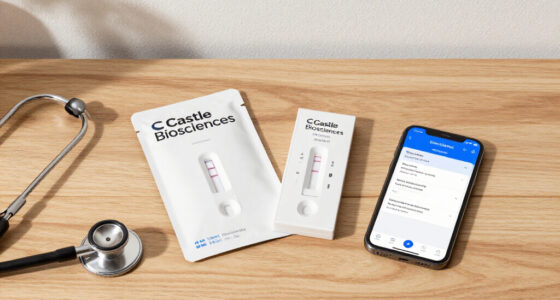
urinary tract infection home test kits
As an affiliate, we earn on qualifying purchases.
As an affiliate, we earn on qualifying purchases.
When Caregivers Should Seek Assessment
The report’s practical advice is to offer drinks regularly, observe whether they are being consumed and make bathroom access easier where possible. Caregivers should seek prompt medical assessment for sudden, unexplained changes in alertness, thinking or behavior. Clinicians can investigate the cause and decide whether urine testing is needed.
For families and care staff, the next step is to raise recurring difficulty drinking, swallowing or reaching the bathroom with a health professional. Assessment can help identify appropriate support and whether a change is linked to infection or another cause. The report gives no new clinical guideline or scheduled follow-up milestone; it focuses on recognizing risk and responding to changes.
adult hydration aids for Parkinson’s and dementia
As an affiliate, we earn on qualifying purchases.
As an affiliate, we earn on qualifying purchases.
Key Questions
Why can dementia make it harder to stay hydrated?
Dementia may affect a person’s ability to recognize thirst or remember to drink. The report says research involving people with Alzheimer’s dementia suggests cognitive impairment can weaken the protective thirst response.
Can a UTI cause confusion in an older adult?
The report says UTIs in older adults can be associated with delirium, a sudden change in attention, thinking and awareness. Confusion can also have other causes, so it should prompt medical assessment rather than being treated as proof of a UTI.
What signs besides pain during urination should caregivers notice?
The report lists sudden mental fog or confusion, mood changes, extreme fatigue, balance problems or falls, appetite loss, and new or increasing incontinence. These signs are not specific to UTIs and need clinical assessment.
What can caregivers do to support hydration?
Offer water and other drinks throughout the day, check whether the person is actually drinking, and make bathroom access easier. If swallowing is difficult or fluid intake remains a concern, ask the person’s health professional for individualized guidance.
Source: rss
Fall Picks
fall essentials
As an affiliate, we earn on qualifying purchases.