
TL;DR
Open a free Amazon Business account
Business pricing, bulk buying and tax-exempt orders.
Create a free accountAs an affiliate, we earn on qualifying purchases.
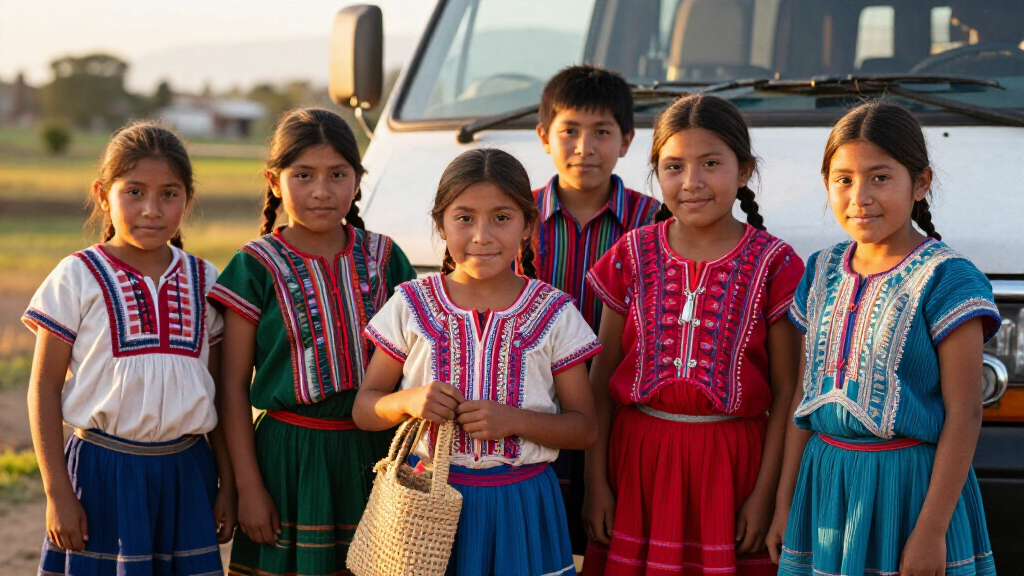
The Ministry of Health has transferred 20 children from the Awajún community in Condorcanqui to Lima. This development raises questions about the reasons for the transfer and its broader implications for indigenous communities.
The Ministry of Health has transferred 20 children from the Awajún community in Condorcanqui to Lima. This move, confirmed by local sources, has generated attention due to concerns about the reasons behind the transfer and its potential impact on the indigenous community. The transfer appears to be part of a government effort to provide healthcare or social services, but official explanations remain limited.
According to reports from canaln.pe and local sources, the Ministry of Health arranged the transfer of 20 children from the Awajún community in Condorcanqui to Lima. The children are reportedly being moved for reasons related to healthcare, social support, or educational needs, although official statements have not clarified the exact purpose.
The transfer involved logistical arrangements to move the children from their remote community in the Amazon region to the capital city. It is not yet confirmed whether the children are receiving medical treatment, attending school, or participating in other programs. The community and advocacy groups have expressed concern over the process, citing a lack of prior consultation and transparency.
Local authorities and the Ministry of Health have not provided detailed official statements explaining the rationale for the transfer or how the children’s well-being is being ensured. The community of Condorcanqui and indigenous rights organizations have called for clarity and safeguards to protect the children’s rights.
Implications for Indigenous Rights and Healthcare Access
This transfer highlights ongoing issues related to healthcare access and the treatment of indigenous communities in Peru. Critics argue that such actions may reflect broader systemic challenges, including inadequate healthcare infrastructure in remote areas and a lack of meaningful consultation with indigenous populations. The move could also influence public perceptions of government policies toward indigenous peoples, raising questions about respect for community autonomy and consent.
For the children involved, the situation underscores the importance of safeguarding their rights and well-being, ensuring that transfers are conducted ethically and with proper support. The controversy may prompt increased scrutiny of government practices and push for more inclusive, transparent policies in handling indigenous health and social services.
As an affiliate, we earn on qualifying purchases.
Background on Indigenous Healthcare Transfers in Peru
Peru’s indigenous communities, including the Awajún, have historically faced disparities in healthcare, education, and social services. Remote regions like Condorcanqui often lack sufficient infrastructure, prompting government initiatives to relocate children and vulnerable populations to urban centers for better access to services.
In recent years, there have been multiple reports of indigenous communities protesting or raising concerns about forced or poorly managed relocations, emphasizing the need for community consent and culturally sensitive approaches. The government states that such measures aim to improve health outcomes and social integration, but critics argue that they sometimes lack transparency and adequate community involvement.
The current transfer of 20 children is part of this ongoing pattern, but details about the process and the children’s specific needs remain unclear. The incident has attracted attention amid broader debates about indigenous rights and government accountability in Peru.
children’s health monitoring device
As an affiliate, we earn on qualifying purchases.
As an affiliate, we earn on qualifying purchases.
Details of the Transfer Process and Children’s Well-Being
It remains unclear exactly why the children were transferred, whether they or their families consented, and what specific care or services they are receiving in Lima. The official explanations are limited, and the children’s current status and well-being are not publicly confirmed.
Further investigations are needed to clarify these points, and it is uncertain whether the transfer was conducted with proper community consultation or safeguards.
portable medical kit for emergencies
As an affiliate, we earn on qualifying purchases.
As an affiliate, we earn on qualifying purchases.
Next Steps and Ongoing Investigations
Authorities are expected to release more detailed information about the reasons for the transfer and the children’s current condition. Advocacy groups and community representatives are likely to continue raising concerns and demanding transparency.
Legal or governmental reviews may be initiated to assess whether proper procedures were followed, and further transfers or interventions may be announced as part of broader policy discussions on indigenous health and social services.
indigenous healthcare support products
As an affiliate, we earn on qualifying purchases.
As an affiliate, we earn on qualifying purchases.
Key Questions
Why were the children transferred from Condorcanqui to Lima?
Officially, the Ministry of Health states the transfer was to provide the children with better healthcare and social support, but specific reasons and processes are not fully clarified.
Were the children or their families consulted before the transfer?
It is not yet clear whether the community or families were consulted. Community leaders have expressed concerns about the lack of prior consultation.
What are the potential risks or concerns associated with this transfer?
Concerns include the lack of community involvement, the children’s safety and well-being during and after the transfer, and the broader issue of respecting indigenous rights and autonomy.
How has the government responded to community concerns?
So far, official statements have been limited, with the Ministry of Health emphasizing the purpose of the transfer but not providing detailed responses to community concerns.
Source: local
NFL season / tailgating Picks
team gear
As an affiliate, we earn on qualifying purchases.