
TL;DR

Get workout gear delivered free with Prime
- Fast, free delivery on millions of items
- Prime Video, Amazon Music and more included
- Member-only deals all year
A study published in Nature Communications found that extreme heat and cold were associated with higher rates of deaths, infirmary admissions and transfers to outside medical facilities in Pennsylvania state prisons over 20 years. Researchers also found larger increases in infirmary visits and outside transfers for women after very hot days; the study describes associations, not proof that temperature caused each outcome.
A 20-year study of Pennsylvania state prisons found that extreme heat and cold were associated with higher rates of deaths, infirmary admissions and transfers to outside medical facilities among incarcerated people. The research, published in Nature Communications, also found larger increases in infirmary visits and outside transfers for women following extremely hot days than for men, raising concerns as prisons face more severe temperature extremes.
The study examined health outcomes after extreme ambient temperatures among people held in Pennsylvania state prisons. Its authors reported that both very hot and very cold conditions coincided with increased rates of mortality and use of medical services. The findings add measured evidence to years of reports from incarcerated people, advocates and local media about difficult conditions during heat waves and cold snaps. The study reports associations; the supplied material does not establish that temperature alone caused individual deaths or medical events.
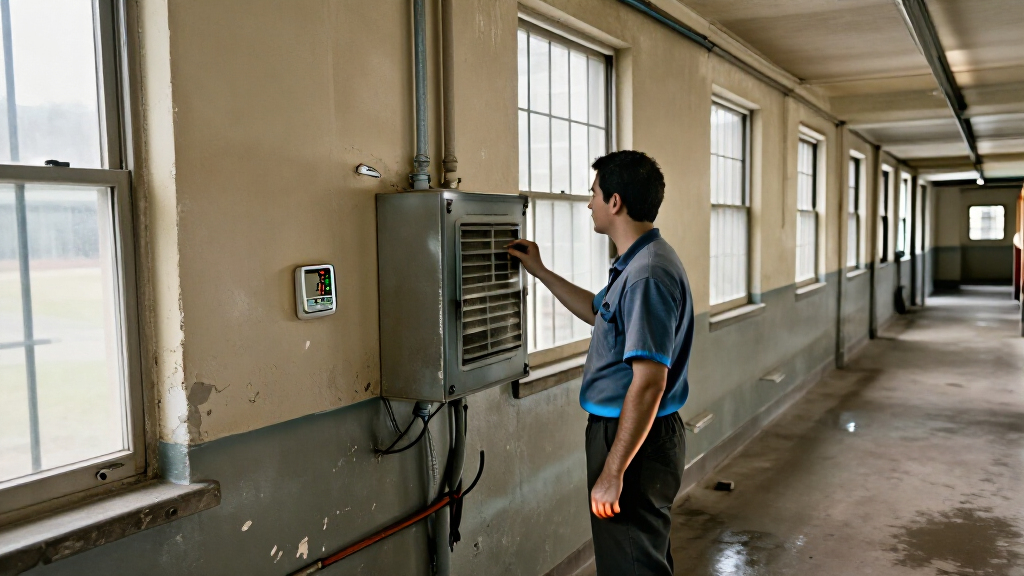
Pennsylvania had nearly 40,000 people in state prisons, according to the report, and most facilities were built in the 1990s or earlier. Several institutions—including Cambridge Springs, Dallas, Laurel Highlands, Muncy, Waymart and Huntingdon—were described as having partial or very limited air conditioning, with cooling available in some buildings or units but not others. The report says temperatures across the state reached 103 degrees Fahrenheit and fell to minus 9 degrees during the previous year.
One finding the researchers described as unexpected was that women had greater increases in infirmary visits and transfers to external medical facilities on and after extremely hot days. The source says earlier studies in the general population have not consistently found greater heat vulnerability among women, but cautions that those studies were not focused on incarcerated people. The Pennsylvania study’s authors point to the health and living conditions of incarcerated women, including menopause symptoms, as relevant concerns; the supplied report does not give the study’s detailed numerical estimates or establish a specific mechanism for the difference.
Heat Risks for Women and Older Adults
The findings matter because people in custody have limited ability to respond to dangerous temperatures themselves: they cannot choose another place to stay, control building-wide cooling or heating, or independently seek care. When hot or cold conditions are linked with more deaths and medical visits, the effects can fall on a prison health system already facing substantial demand.
The report describes an aging prison population and high levels of chronic illness. The average age of people entering Pennsylvania prisons rose from 31 in 2000 to 38 in 2023. It also reports that medication costs for incarcerated adults over 50 average $3,357 per person annually, 53% more than for younger adults. These figures provide context for why a rise in climate-related medical needs could carry added pressure for facilities and staff; they do not quantify the cost attributable to temperature events.
The higher post-heat increases reported for women warrant attention in planning and further research, particularly because the source describes limited access to cooling and hydration as possible concerns for people experiencing menopause symptoms. The study does not show that every woman faces the same risk, nor does it establish that all facilities have identical conditions.
portable personal fan for heat relief
As an affiliate, we earn on qualifying purchases.
As an affiliate, we earn on qualifying purchases.
Older Buildings, Strained Care
Reports of uncomfortable or unsafe temperatures in Pennsylvania prisons predate this study. The source recounts accounts of facilities becoming extremely hot during summer heat waves and bitterly cold in winter, including when heating systems fail. Amy McBride, a woman in her early 60s incarcerated at MCI Muncy, told the Prison Journalism Project that in winter she sometimes wore two to three layers of pants and four to six layers of shirts, with a jacket and coat over them.
The report says state prisons face shortages of corrections officers, nurses and physicians; some facilities have had medical-staff vacancy rates approaching 40%. Staffing gaps can restrict movement and limit access to appointments and other programs, according to the source. It also notes that incarcerated people in Pennsylvania can be charged a $5 copay for non-emergency treatment as defined by the Department of Corrections, while prison wages are reported at 23 to 50 cents an hour. These conditions are relevant to how facilities may respond to increased health needs, but the study does not measure the independent effect of staffing, copays or building age on its temperature-related findings.
“Extremely hot and cold temperatures were associated with higher rates of deaths, infirmary admissions and transfers to external medical facilities among imprisoned people in Pennsylvania over the past 20 years.”
— Jaquelyn L. Jahn and colleagues, study authors
electric heating pad for cold weather
As an affiliate, we earn on qualifying purchases.
As an affiliate, we earn on qualifying purchases.
Limits of the Available Findings
The source material does not provide the study’s exact effect sizes, temperature thresholds, facility-by-facility results or full methods. It therefore does not show how much risk changed, which institutions accounted for the findings, or how outcomes varied by age or medical condition. The reported association also cannot by itself establish that temperature exposure caused a particular death or medical visit.
It is not clear from the supplied report whether the Pennsylvania Department of Corrections has announced new climate-resilience measures in response to the study, or whether facilities have current plans for upgrading heating and cooling systems. The extent of cooling access across the prison system and the practical availability of hydration or other protections during extreme weather are also not specified in detail.
As an affiliate, we earn on qualifying purchases.
Facility Plans and Further Study
The study’s authors argue that preparing for a warmer climate will require improvements to prison conditions and health care systems, as well as policy efforts to reduce the number of people incarcerated, particularly older adults. The supplied material does not identify a state deadline, funded construction program or specific policy change that has been adopted in response.
Next, readers and policymakers will need details from the full paper on the size of the observed changes and how researchers defined extreme temperatures. Any assessment of the state’s response will also depend on information from corrections officials about facility-level heating and cooling, emergency procedures, staffing and plans to protect people at heightened risk during heat and cold events.
medical alert wearable for seniors
As an affiliate, we earn on qualifying purchases.
As an affiliate, we earn on qualifying purchases.
Key Questions
What did the Pennsylvania prison study find?
It found that extreme heat and cold were associated with higher rates of deaths, infirmary admissions and transfers to outside medical facilities among people in Pennsylvania state prisons over a 20-year period. The source does not provide exact effect sizes.
Did the study prove that extreme temperatures caused deaths?
No. The reported results describe an association between extreme temperatures and health outcomes. The supplied material does not establish that temperature alone caused any individual death or medical event.
What did researchers find about incarcerated women?
Researchers reported greater increases in infirmary visits and transfers to outside medical facilities for women on and after extremely hot days than for men. The source says the reason for this difference is not established.
Do Pennsylvania prisons have air conditioning?
The report says some facilities have partial or very limited air conditioning, with cooling in certain buildings or units but not others. It does not provide a complete facility-by-facility account.
Has Pennsylvania announced changes because of the study?
The supplied report does not describe a specific state response, funding decision or implementation timetable. The study authors call for improvements to prison conditions and health care, but adoption of those proposals is not confirmed in the source material.
Source: rss
Fall Picks
fall essentials
As an affiliate, we earn on qualifying purchases.