
TL;DR
Get ready for Prime Big Deal Days — try Prime free
Exclusive member deals on October 6–7, plus fast free delivery. Cancel anytime.
Start your free trialAs an affiliate, we earn on qualifying purchases.
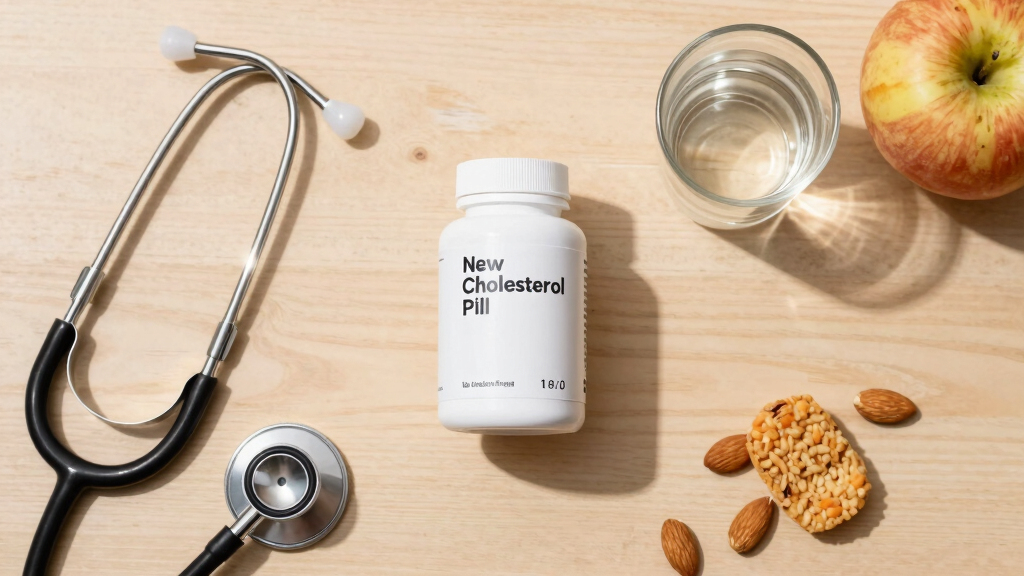
A new cholesterol-lowering pill has been approved, offering an alternative to statins. Experts highlight differences in mechanism, efficacy, and side effects, but long-term data is still pending.
A new cholesterol-lowering medication has been approved for use, providing an alternative to traditional statins. This development is significant for patients who experience side effects or have inadequate response to statins, as it offers a different mechanism of action. The approval was announced by regulatory agencies earlier this month, marking a notable advancement in cardiovascular treatment options.
The medication, known as bempedoic acid, was approved by the Food and Drug Administration (FDA) after clinical trials demonstrated its ability to reduce low-density lipoprotein (LDL) cholesterol levels. Unlike statins, which inhibit the enzyme HMG-CoA reductase, bempedoic acid works by targeting a different pathway in the liver, potentially reducing side effects associated with muscle pain and fatigue commonly reported by statin users.
According to Dr. Lisa Chen, a cardiologist at the Heart Institute, “Bempedoic acid offers an additional tool for managing cholesterol, especially for patients who cannot tolerate statins or need further reduction in LDL levels.” The medication is administered orally once daily and has shown promising results in lowering LDL cholesterol in clinical trials. However, long-term data on cardiovascular outcomes remain limited, and researchers emphasize the need for ongoing studies.
Why The New Cholesterol Pill Matters for Patients and Doctors
The approval of this new medication expands treatment options for individuals with high cholesterol, particularly those who experience adverse effects from statins. It could improve adherence to cholesterol management regimens and potentially reduce cardiovascular events if long-term benefits are confirmed. However, as long-term outcome data is not yet available, healthcare providers are cautious in fully endorsing its widespread use beyond specific patient groups.
bempedoic acid cholesterol medication
As an affiliate, we earn on qualifying purchases.
As an affiliate, we earn on qualifying purchases.
Comparing the New Pill to Statins and Its Place in Treatment
Statins have been the cornerstone of cholesterol management for decades, proven to reduce cardiovascular risk significantly. However, up to 10-15% of patients report muscle-related side effects, leading some to discontinue therapy. The new drug, bempedoic acid, was developed to address these issues, working via a different biochemical pathway. It was approved based on phase 3 trial results showing a 18-23% reduction in LDL cholesterol when used alone or with other therapies. Prior to this, other alternatives like ezetimibe existed, but they offered modest benefits compared to statins.
The clinical trials involved thousands of participants with hypercholesterolemia or statin intolerance, and the FDA’s approval reflects its efficacy in lowering LDL levels. Nevertheless, experts note that definitive evidence linking the drug to reduced heart attacks or strokes is still in development, and ongoing studies are assessing long-term safety and outcomes.
“”Bempedoic acid offers an additional tool for managing cholesterol, especially for patients who cannot tolerate statins.””
— Dr. Lisa Chen, cardiologist
As an affiliate, we earn on qualifying purchases.
Uncertain Long-Term Benefits and Safety Profile
While the drug has demonstrated effectiveness in lowering LDL cholesterol, it is not yet clear whether this will translate into a reduced risk of heart attacks, strokes, or other cardiovascular events. Long-term safety data is still being collected, and some experts urge caution until more evidence is available. Additionally, questions remain about its cost-effectiveness and how it will be integrated into existing treatment protocols.
As an affiliate, we earn on qualifying purchases.
Next Steps in Research and Clinical Use
Ongoing studies are evaluating the long-term cardiovascular outcomes associated with bempedoic acid. Researchers expect further data over the next few years to clarify its role in reducing heart disease risk. Meanwhile, healthcare providers will monitor patient responses and side effects, and regulatory agencies may issue updated guidelines as new evidence emerges. Patients intolerant to statins now have a new option, but clinicians will weigh the benefits and uncertainties carefully.
As an affiliate, we earn on qualifying purchases.
Key Questions
How does the new cholesterol pill work differently from statins?
The new medication, bempedoic acid, targets a different enzyme in the liver, which helps lower LDL cholesterol without affecting muscle tissue, potentially reducing side effects associated with statins.
Is the new pill as effective as statins?
It has been shown to lower LDL cholesterol significantly, but long-term studies are ongoing to determine if it reduces cardiovascular events like heart attacks and strokes to the same extent as statins.
Who should consider using this new medication?
Patients who are unable to tolerate statins due to side effects or those who need additional LDL reduction despite taking statins may be candidates, but consultation with a healthcare provider is essential.
Are there any known side effects of the new drug?
Clinical trials have reported fewer muscle-related side effects compared to statins, but some patients experienced other mild side effects. Long-term safety data is still being collected.
When will more data on long-term benefits be available?
Researchers expect to publish results from ongoing cardiovascular outcome studies over the next few years, which will clarify the drug’s long-term impact.
Source: rss
Fall yard work Picks
leaf blowers
As an affiliate, we earn on qualifying purchases.