TL;DR

Get workout gear delivered free with Prime
- Fast, free delivery on millions of items
- Prime Video, Amazon Music and more included
- Member-only deals all year
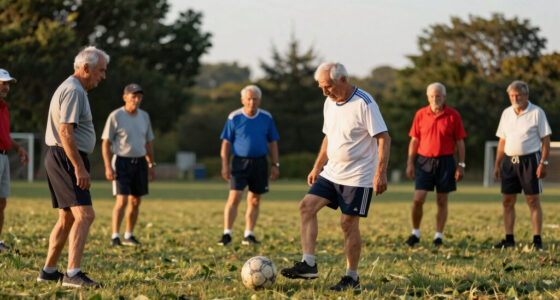
A Fit&Well report describes three coordination exercises used by a trainer in sessions with older adults: alternating knee and opposite-arm raises, side steps with opposite-arm reaches, and a ball-catching drill. The report cites a 2019 review associating balance and coordination exercises with improvements in some cognitive processes and postural control, but it does not establish that these particular exercises extend lifespan.
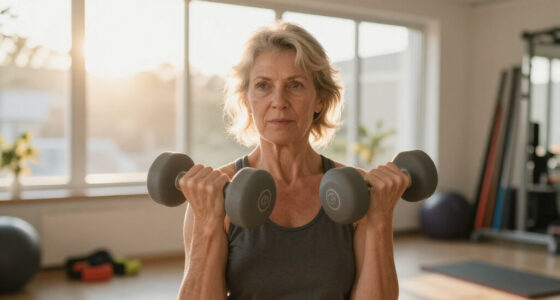
A trainer who works with older adults has outlined three coordination exercises she includes in chair-based yoga classes and personal training: opposite-arm knee raises, side steps with opposite-arm reaches, and a ball-catching drill. The Fit&Well report says the movements can be adapted for seated practice, while linking coordination training with balance and some cognitive outcomes—not claiming that the exercises themselves extend lifespan.
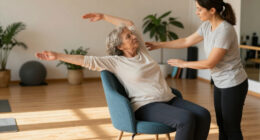
The trainer says she uses coordination work to engage what she calls the mind-to-muscle connection and help clients practise controlled movement. The first exercise pairs a knee raise with movement of the opposite arm. Standing participants begin with feet about hip-width apart and arms out at shoulder height, then alternate sides for five to six repetitions per side. The seated version is a slow march with the opposite arm raised forward or overhead.
The second drill combines a lateral step with a reach from the opposite arm. The report recommends five to six repetitions per side; participants may add a side lunge if comfortable or remain upright. Seated participants can step one foot to the side while opening the opposite arm. The third exercise asks a participant to balance on one foot while lightly throwing a ball underhand against a wall and catching it, for five to 10 throws. The report suggests using both feet on the ground or doing the drill seated to make it easier.
These are the trainer’s suggested routines, not a clinical prescription. The source does not report a trial testing the three exercises as a package, nor does it provide measurements of participants’ outcomes. Its cited research concerns balance and coordination exercises more broadly.
Coordination for Everyday Movement
The report’s practical point is that coordination can be practised at different levels of mobility. Alternating arm and leg movements, changing direction, and responding to a moving ball ask participants to control more than one part of the body at a time. The trainer says she uses those challenges to support clients’ confidence and agility in everyday situations, such as moving around other people or multitasking at home. Those are her observations from coaching, not measured outcomes presented in the report.
The cited evidence gives the advice a broader basis, but should be read carefully. A 2019 review of balance and coordination exercises in older adults found improvements in cognitive processes such as spatial awareness, as well as in postural control and stability in distracting environments. The supplied report gives no effect sizes or study details, and the review does not establish that these exact movements prevent falls, treat cognitive conditions, or increase longevity.
For readers, the most immediate relevance is the range of modifications: people can practise seated, use both feet for the ball drill, or keep side steps upright. Anyone unsure whether a movement is appropriate for their health or balance should seek guidance from a qualified health professional or exercise instructor.
Products Worth Considering

Oral-B iO Series 3 Rechargeable Electric Toothbrush for Adults, Black

Blueair Blue Pure 511i Max Smart Air Purifier

Fitbit Inspire 3 Health and Fitness Tracker Bundle
As an affiliate, we earn on qualifying purchases.
How the Exercises Are Adapted
The trainer’s account challenges the idea that strength training is the only exercise relevant to ageing well. She says she combines coordination work with chair-based yoga and personal training for older adults, sometimes pairing standing coordination drills with balance movements. Other clients do the exercises seated. The central approach is to adjust the movement to a person’s current mobility rather than require everyone to use the same version.
The report describes a progression from relatively controlled actions to a task involving balance and reaction. In the first two drills, participants coordinate a step or knee lift with the opposite arm. In the ball exercise, they add catching and can vary the direction of the throw. The source advises changing the ball size or using one or two hands, but does not give individualized safety screening or a formal progression plan. It also does not identify the trainer by name in the supplied material.
“I always incorporate coordination training into my chair-based yoga classes and personal training sessions with older adults.”
— The trainer, in the Fit&Well report
Evidence and Safety Still Vary
The supplied report does not state when it was published, name the trainer, or provide details such as the number of clients involved in her observations. It also does not identify the studies included in the 2019 review, quantify the reported improvements, or show whether benefits last over time. The review’s broad findings should not be treated as proof that these three routines produce the same results.
There is no claim in the source that the exercises prevent falls, protect against cognitive decline, or lengthen life. Individual ability and safety needs also differ, and the article does not set out medical screening criteria. Readers with balance concerns, injuries, or health conditions should check with a qualified professional before trying standing or ball-catching drills.
Adapting Practice to Ability
The report does not announce a follow-up study or a formal programme. Its immediate guidance is to choose a version that matches current ability: practise seated marching and reaches, keep side steps upright, or perform the ball drill with both feet grounded. Standing balance and directional throws add challenge in the trainer’s suggested versions, but should not be treated as required milestones.
Whether coordination training produces lasting improvements for a particular person remains a question for appropriately designed research and individual assessment. For now, the article presents the exercises as adaptable movement practice and points to broader review findings on balance and coordination training in older adults.
Key Questions
What coordination exercises does the report describe?
It describes opposite-arm knee raises, side steps paired with an opposite-arm reach, and a ball throw-and-catch drill performed while balancing or seated.
Can the exercises be done seated?
Yes. The report offers seated versions of all three: a controlled march with an opposite-arm raise, a seated side step with an arm opening, and a ball drill performed from a chair or without standing on one leg.
Does the report show that these exercises extend lifespan?
No. The report discusses exercise and ageing well, but it does not show that these specific drills extend lifespan. It cites a 2019 review on balance and coordination exercises and reports findings related to some cognitive processes and postural control.
How many repetitions are suggested?
The report suggests five to six repetitions per side for the knee-raise and step-out drills, and five to 10 throws for the ball exercise. These are the article’s general suggestions, not individualized medical advice.
Source: rss