
TL;DR

Get workout gear delivered free — and shop member deals
- Fast, free delivery on millions of items
- Access to Prime Big Deal Days deals on October 6–7
- Prime Video, Amazon Music and more included
Media mentions of clinical labs have increased 26-fold globally, signaling heightened interest. The surge is based on trend signals, but the specific trigger remains unconfirmed. For more on health trends, see Health Services Surges In Global Coverage. This development highlights growing focus on diagnostics and health infrastructure.
Global media mentions of clinical laboratories have increased dramatically, with reports indicating a 26-fold rise in coverage within a recent reporting window, according to the GDELT database. While the exact cause of this surge remains unconfirmed, the spike suggests heightened international attention on diagnostics and health infrastructure, potentially linked to ongoing health trends or developments.
The trend signal, derived from GDELT data, shows that mentions of clinical labs reached 26 times the usual baseline during the current window, marking a significant increase in coverage and search interest worldwide. This spike is not attributed to a specific event or announcement but indicates a broader rise in attention towards clinical diagnostics, laboratory capacity, and health system readiness.
Experts note that such trend signals often reflect underlying shifts in media focus, research interest, or public health concerns. The surge could be related to ongoing developments in global health monitoring, advances in diagnostic technology, or recent outbreaks that emphasize testing capacity. However, no definitive source or event has been identified as the trigger for this heightened coverage.
Implications of the Global Surge in Clinical Lab Coverage
The dramatic increase in media and search interest in clinical laboratories underscores a growing global focus on diagnostics and health infrastructure. This heightened attention may influence policy discussions, funding priorities, and research initiatives related to laboratory capacity and testing capabilities. For health systems, it signals an increased awareness of the importance of diagnostics in managing public health challenges.
Additionally, the trend could impact industry stakeholders, including diagnostic companies and healthcare providers, by drawing more investment and innovation into laboratory technologies. For policymakers, the surge highlights the need to monitor and possibly strengthen laboratory networks to meet emerging demands.
As an affiliate, we earn on qualifying purchases.
Understanding the Rising Media Attention on Clinical Labs
Media interest in clinical laboratories has historically fluctuated with public health needs and technological advances. The current surge, indicated by a 26-fold increase in mentions, is a recent development observed through trend analysis tools like GDELT. Prior to this, coverage was relatively stable, with occasional spikes during health emergencies or major scientific breakthroughs.
While the specific trigger remains unconfirmed, the timing coincides with ongoing global health concerns and increased emphasis on diagnostic testing, especially in the context of infectious disease management and health system resilience. The trend may also reflect broader interest in biotechnology, personalized medicine, and laboratory automation technologies.
As an affiliate, we earn on qualifying purchases.
Unconfirmed Causes Behind the Coverage Spike
The precise reason for the 26-fold increase in mentions of clinical laboratories remains unconfirmed. No specific event, policy announcement, or outbreak has been identified as the catalyst. Experts suggest the trend may be driven by broader shifts in health priorities or media focus, but details are still emerging.
It is also unclear whether this surge reflects genuine operational changes, increased funding, or simply heightened media interest without immediate practical implications. Further investigation is needed to determine the underlying causes of this trend.
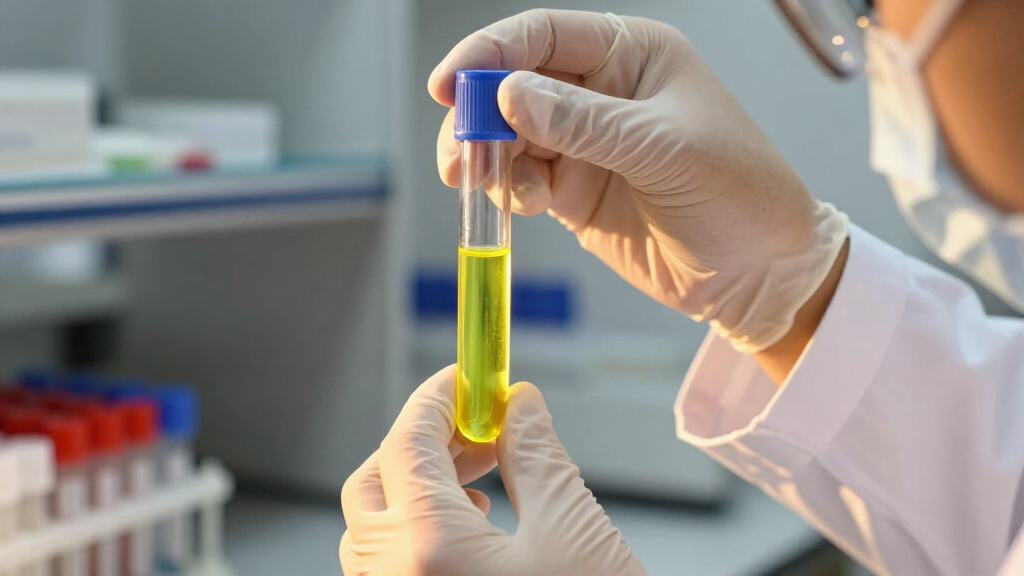
laboratory equipment for diagnostics
As an affiliate, we earn on qualifying purchases.
As an affiliate, we earn on qualifying purchases.
Monitoring for Confirmed Developments and Policy Responses
Stakeholders, including health authorities and industry players, will likely monitor media and policy developments closely to identify any concrete triggers or actions related to this coverage surge. Future updates may clarify whether this trend signals upcoming investments, new health initiatives, or technological breakthroughs in diagnostics.
Researchers and policymakers may also analyze whether the increased attention translates into tangible improvements in laboratory capacity or public health outcomes, especially if driven by specific health threats or innovations.
medical laboratory automation devices
As an affiliate, we earn on qualifying purchases.
As an affiliate, we earn on qualifying purchases.
Key Questions
What does a 26-fold increase in media mentions mean?
This indicates that references to clinical laboratories in global media have increased 26 times compared to usual levels, reflecting heightened attention or concern.
Is this surge related to a specific health event?
Currently, no specific health event or policy has been confirmed as the cause of this surge; it appears to be a trend signal without a clear trigger.
Could this trend lead to policy changes?
Potentially, increased media focus can influence policymakers to prioritize diagnostics and laboratory infrastructure, but concrete policy actions have not yet been announced.
How reliable is the trend signal from GDELT?
GDELT provides a broad indicator of media interest, but it does not specify causality or immediate practical impacts. Further analysis is needed to understand the implications.
Will this increase in coverage impact the diagnostics industry?
It could lead to increased investment and innovation in laboratory technologies if the trend reflects growing demand or strategic focus, but this is not yet confirmed.
Source: gdelt
Fall Picks
fall essentials
As an affiliate, we earn on qualifying purchases.