
TL;DR

Get workout gear delivered free — and shop member deals
- Fast, free delivery on millions of items
- Access to Prime Big Deal Days deals on October 6–7
- Prime Video, Amazon Music and more included
The Ebola outbreak in the Democratic Republic of the Congo has now surpassed 1,000 confirmed cases. UNICEF warns that millions of children are vulnerable to infection and related harms, amid ongoing challenges in containment efforts.
Confirmed Ebola cases in the Democratic Republic of the Congo have surpassed 1,000, according to health officials, marking one of the most severe outbreaks in recent years. UNICEF has issued a warning that millions of children are at heightened risk of infection and related health and safety threats amid the ongoing crisis.
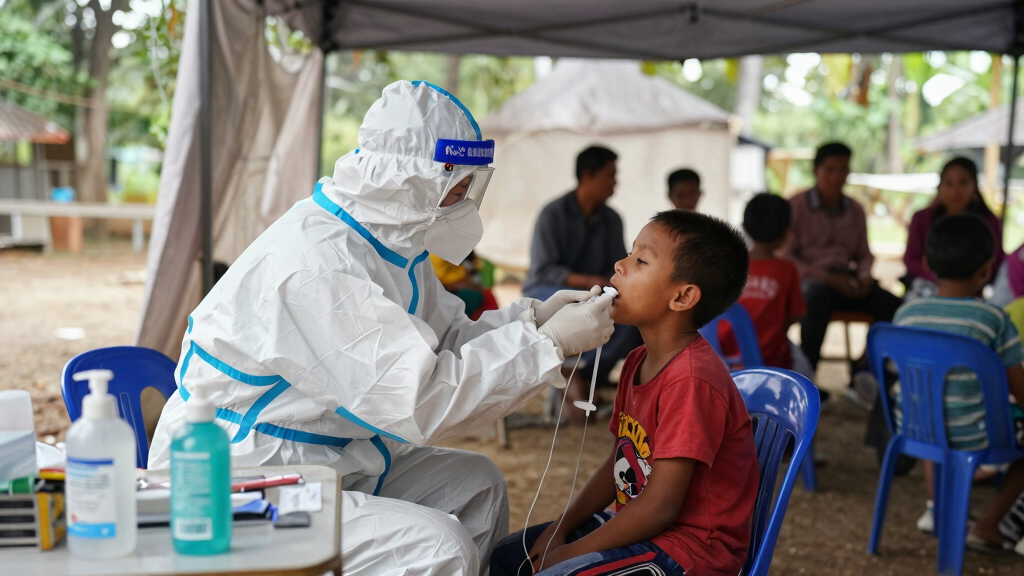
The Ministry of Health in the DRC announced that the total number of confirmed Ebola cases has now exceeded 1,000, with over 900 deaths reported since the outbreak began in late 2022. The outbreak, centered mainly in the eastern provinces, has challenged containment efforts due to difficult terrain, ongoing conflict, and limited healthcare infrastructure. UNICEF has expressed concern that approximately 4 million children are at risk of exposure, malnutrition, and disruptions to education and essential services. Despite increased vaccination campaigns and international aid, the spread continues to grow, complicating efforts to control the virus. The World Health Organization is monitoring the situation closely and has deployed additional resources to assist local health authorities.
Why the Rising Case Count Accelerates Global Concern
The surpassing of 1,000 confirmed Ebola cases signifies a significant escalation in the outbreak, which poses serious public health challenges in the DRC. It highlights the difficulty of containing the virus in conflict-affected regions and underscores the urgent need for sustained international support. The warning from UNICEF about millions of children at risk emphasizes the broader social and humanitarian impact, including potential increases in child mortality, malnutrition, and educational disruptions. This development also raises concerns about regional spread and the capacity of local health systems to respond effectively, affecting global health security.
personal protective equipment PPE kit
As an affiliate, we earn on qualifying purchases.
As an affiliate, we earn on qualifying purchases.
Recent Developments and Ongoing Challenges in DRC Ebola Response
The current Ebola outbreak was first identified in late 2022 in North Kivu and Ituri provinces. Since then, the number of cases has steadily increased, reaching over 1,000 confirmed infections by March 2024. Previous outbreaks in the region have been difficult to contain due to ongoing armed conflict, mistrust among local communities, and limited healthcare infrastructure. International organizations, including WHO and UNICEF, have been supporting vaccination drives, community engagement, and healthcare capacity building. Despite these efforts, transmission persists, exacerbated by mobility, insecurity, and logistical hurdles. The outbreak follows a pattern seen in past crises, where vulnerable populations, especially children, bear the brunt of health emergencies.
“We have crossed the 1,000-case threshold, but our fight continues. We need more support to contain this outbreak.”
— Dr. Jean Mukendi, DRC Ministry of Health
hand sanitizer with high alcohol content
As an affiliate, we earn on qualifying purchases.
As an affiliate, we earn on qualifying purchases.
Uncertainties Surrounding Outbreak Control and Future Spread
It remains unclear how effectively current containment measures will curb the spread of Ebola, given ongoing conflict and logistical challenges. The exact number of unreported cases is also unknown, and the potential for regional spread into neighboring countries has not been fully assessed. The impact of new variants or mutations of the virus on transmissibility and vaccine efficacy is still under investigation. Additionally, the long-term effects on children and healthcare systems are not yet fully understood.
disposable face masks for children
As an affiliate, we earn on qualifying purchases.
As an affiliate, we earn on qualifying purchases.
Next Steps in Containing the Ebola Outbreak and Protecting Children
Health authorities and international partners are expected to intensify vaccination campaigns, improve community engagement, and deploy additional healthcare resources in the coming weeks. Monitoring and surveillance efforts will likely be expanded to better understand transmission dynamics. Efforts to address insecurity and logistical barriers are also expected to be prioritized. UNICEF and other agencies will continue to advocate for increased funding and support to protect vulnerable children and restore essential services in affected regions.
Ebola prevention educational materials
As an affiliate, we earn on qualifying purchases.
As an affiliate, we earn on qualifying purchases.
Key Questions
How many Ebola cases have been confirmed in DRC?
Over 1,000 confirmed cases have been reported since the outbreak began in late 2022.
Why are children particularly at risk in this outbreak?
Children are vulnerable due to limited access to healthcare, disruptions caused by the outbreak, and the increased risk of infection in crowded or insecure environments.
What is being done to control the outbreak?
Efforts include vaccination campaigns, community engagement, deployment of healthcare teams, and international aid support, though challenges remain due to insecurity and logistics.
Could the outbreak spread to neighboring countries?
The risk exists, especially given mobility across borders, but containment measures aim to prevent regional spread. Monitoring is ongoing.
What are the long-term impacts on children and health systems?
The long-term effects include potential increases in malnutrition, interrupted education, and strain on healthcare infrastructure, though specific outcomes are still being studied.
Source: google-trends
Fall Picks
fall essentials
As an affiliate, we earn on qualifying purchases.