
TL;DR
Open a free Amazon Business account
Business pricing, bulk buying and tax-exempt orders.
Create a free accountAs an affiliate, we earn on qualifying purchases.
A woman has chosen to commemorate 13 years of healing from abuse with a tattoo. This personal act highlights ongoing recovery and resilience. The story underscores the importance of healing journeys and mental health awareness.
A woman has gotten a tattoo to mark 13 years of healing from abuse, turning a personal journey into a symbol of resilience. This act underscores the ongoing process of recovery and mental health awareness, resonating with many who have faced similar struggles.
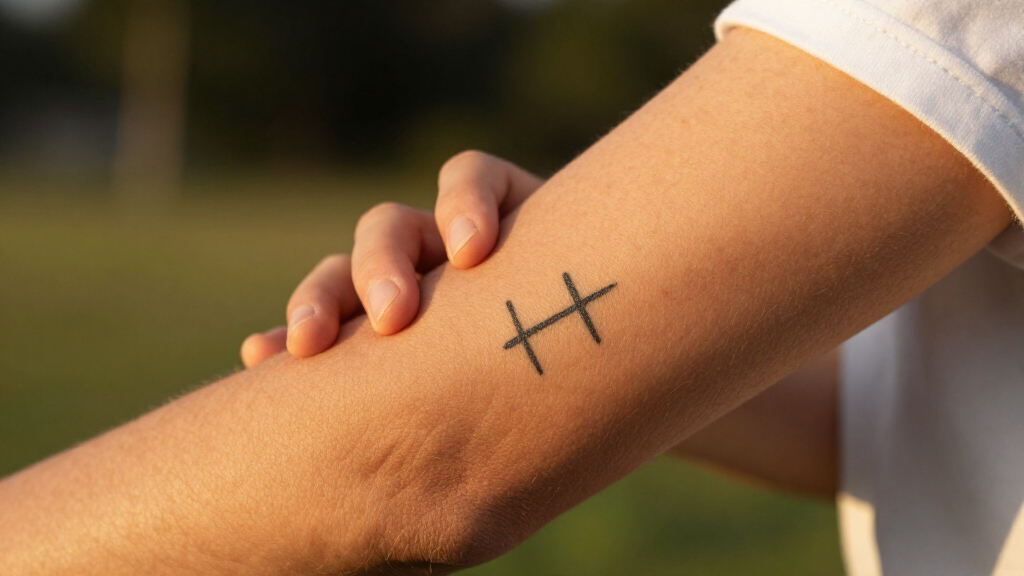
The woman, whose identity has not been publicly disclosed, chose to permanently ink a design that represents her healing journey, commemorating over a decade since she began overcoming the trauma of abuse. The tattoo, which she describes as a symbol of strength and renewal, was completed recently and has garnered attention on social media.
While the specific design of the tattoo has not been detailed, sources close to the individual indicate it includes symbols of resilience and rebirth, reflecting her personal story of overcoming adversity. The act of tattooing as a form of healing is increasingly recognized as a way for survivors to reclaim their bodies and narratives, though it remains a deeply personal choice.
Experts note that such acts can serve as powerful psychological milestones for survivors, helping to reinforce their journey of recovery. The woman has spoken publicly about her motivation, emphasizing that the tattoo is a reminder of her strength and the progress she has made over the years.
Personal Healing as a Public Statement of Resilience
This story highlights how personal acts like getting a tattoo can serve as symbols of resilience and healing for survivors of abuse. It draws attention to the broader importance of mental health and recovery, encouraging others to find meaningful ways to cope and reclaim their narratives. Such acts can also foster community awareness and reduce stigma around trauma and mental health struggles.
As an affiliate, we earn on qualifying purchases.
Growing Recognition of Healing Symbols in Survivor Communities
In recent years, more survivors have used tattoos and other permanent marks as part of their healing process, turning personal trauma into symbols of strength. The trend is linked to increased awareness around mental health and trauma recovery, with social media amplifying stories of resilience. However, the specific motivations and designs vary widely, emphasizing personal meaning.
While the act of tattooing as a form of healing is not new, it has gained visibility through personal stories shared online and in media. The current story reflects this broader trend, although it is not yet clear how widespread or accepted this practice is within the survivor community.
As an affiliate, we earn on qualifying purchases.
Extent of Broader Adoption and Cultural Acceptance
It is not yet clear how widespread the practice of using tattoos as healing symbols is among survivors. The trend remains anecdotal, and there is limited data on its acceptance or effectiveness within the broader mental health community.As an affiliate, we earn on qualifying purchases.
Potential for Increased Awareness and Support Resources
As stories like this gain attention, there may be increased public awareness of alternative healing methods for trauma survivors. Mental health organizations could explore supporting symbolic acts as part of recovery programs, though further research is needed to understand their impact. The individual’s story may inspire others to share their own journeys or seek out similar symbols of resilience.
As an affiliate, we earn on qualifying purchases.
Key Questions
Why do some survivors choose tattoos as a symbol of healing?
Many survivors see tattoos as a way to reclaim their bodies and narratives, turning personal trauma into symbols of strength and resilience. It can serve as a permanent reminder of their journey and progress.
Is getting a tattoo considered a common part of trauma recovery?
While some survivors incorporate tattoos into their healing process, it is not a universally recognized or recommended method. It is a highly personal choice, and mental health professionals advise considering it carefully in the context of individual healing journeys.
Are there risks associated with using tattoos as healing symbols?
Yes, potential risks include emotional triggers during the tattooing process, and the possibility of regret if the symbol no longer resonates. Survivors should consult mental health professionals and experienced tattoo artists before proceeding.
Does this trend have broader cultural or social implications?
This trend reflects a growing acceptance of personal, symbolic acts of healing and resilience. It may influence how society perceives trauma recovery, emphasizing personal agency and creative expression.
Source: rss
Fall Picks
fall essentials
As an affiliate, we earn on qualifying purchases.