
TL;DR

Get workout gear delivered free with Prime
- Fast, free delivery on millions of items
- Prime Video, Amazon Music and more included
- Member-only deals all year
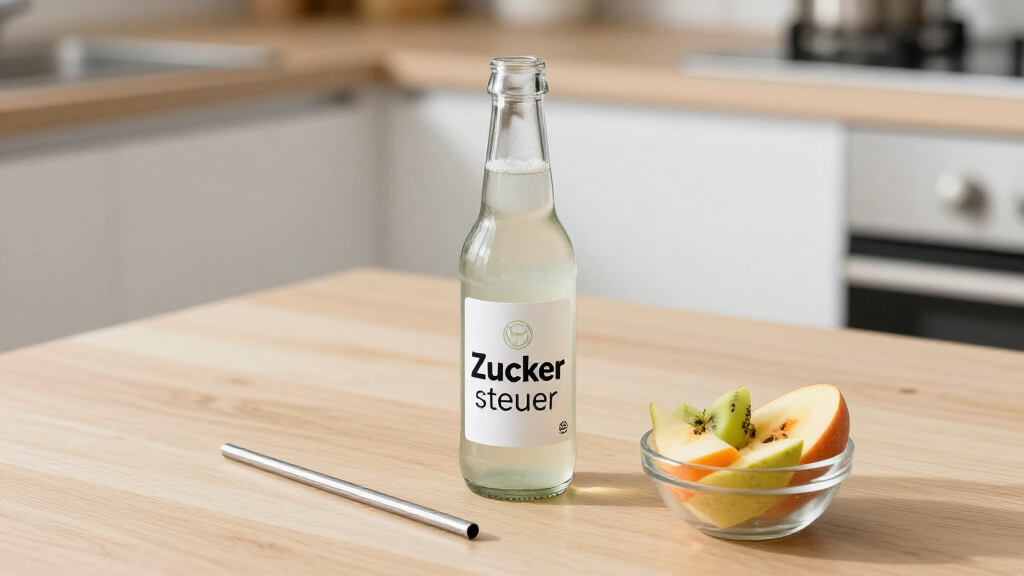
Germany is actively debating the introduction of a sugar tax targeting sugary beverages. The move aims to curb health issues linked to sugar intake, but details on implementation remain uncertain. Stakeholders are divided on its potential effects.
Germany is considering the introduction of a sugar tax on sugary beverages as part of its efforts to combat rising health concerns linked to excessive sugar consumption. The proposal, currently under discussion by government officials, aims to reduce the intake of high-sugar drinks among consumers. This development comes amid growing public and political interest in health policies targeting dietary habits, but it is still in the consultation phase with no final decision made.
The German federal government has confirmed that it is exploring the possibility of implementing a sugar tax on soft drinks, fruit juices with added sugar, and energy drinks. According to sources close to the Ministry of Health, the initiative seeks to address the increasing rates of obesity, diabetes, and other health issues associated with high sugar intake. The proposed tax would be similar to measures taken by countries like the UK and France, which have seen varying degrees of success in reducing sugary drink consumption. Industry representatives and consumer groups are actively participating in the ongoing consultations, with some expressing concerns over potential economic impacts and consumer choice. No concrete legislation has been introduced yet, and the government emphasizes that the proposal is still in the early stages of evaluation.Health and Economic Impacts of a Potential Sugar Tax in Germany
The possible implementation of a sugar tax in Germany could have significant public health benefits by encouraging consumers to choose lower-sugar options and reducing the prevalence of diet-related illnesses. Economically, the tax could generate additional revenue for the government, which might be allocated to health promotion programs. However, critics argue that it could also lead to increased costs for producers and retailers, and possibly shift consumption to untaxed or cheaper alternatives. The debate reflects broader concerns about balancing health objectives with economic and consumer interests.
As an affiliate, we earn on qualifying purchases.
Germany’s Growing Focus on Sugar and Public Health Policies
Germany has seen a rising trend in health initiatives targeting sugar consumption, mirroring policies adopted by other European countries. Discussions around a sugar tax gained momentum after studies linked high sugar intake to chronic health conditions. The European Union has also been examining measures to reduce sugar in processed foods, influencing national debates. Previous proposals in Germany faced resistance from industry groups and some political factions, but recent public health campaigns have increased pressure on policymakers to act. The current discussions follow a series of public surveys indicating strong support among Germans for measures to improve dietary health.
“Implementing a sugar tax could be a vital step in reducing health risks associated with high sugar consumption. We are carefully analyzing all options.”
— Health Minister Johannes Schmidt
As an affiliate, we earn on qualifying purchases.
Details of the Proposed Sugar Tax and Implementation Timeline
It is not yet clear what specific tax rate or scope the government might adopt, nor when legislation could be introduced. The extent of exemptions, the categories of beverages affected, and how revenues would be allocated remain under discussion. Additionally, the final political consensus has not been reached, and public opinion may influence the shape of any legislation. As negotiations continue, many details are still uncertain.
As an affiliate, we earn on qualifying purchases.
Next Steps in Policy Development and Public Consultation
The German government is expected to finalize its position following further consultations with industry stakeholders, health experts, and the public. A legislative proposal could be introduced later in 2024, with debates in parliament likely to follow. Authorities also plan to monitor the experiences of other countries with sugar taxes to inform their decision-making. Public opinion polls and stakeholder feedback will play a critical role in shaping the final policy.
As an affiliate, we earn on qualifying purchases.
Key Questions
What beverages would be affected by the sugar tax?
The proposed tax would target sugary soft drinks, fruit juices with added sugar, and energy drinks, but exact categories and thresholds are still under discussion.
How much revenue could the sugar tax generate?
Estimates vary depending on the final tax rate and scope, but some projections suggest it could generate hundreds of millions of euros annually, which could be reinvested into health programs.
When might the sugar tax be implemented in Germany?
There is no confirmed timeline yet, but legislative discussions are expected to continue into late 2024, with possible implementation in 2025 or later.
Could the sugar tax affect consumer prices?
Yes, if implemented, the tax could lead to higher prices for affected beverages, potentially influencing consumer purchasing habits.
What are the main arguments against the sugar tax?
Opponents argue it could unfairly burden producers, limit consumer choice, and have limited effectiveness if not carefully designed.
Source: google-trends
Halloween Picks
halloween
As an affiliate, we earn on qualifying purchases.