
TL;DR

Get workout gear delivered free with Prime
- Fast, free delivery on millions of items
- Prime Video, Amazon Music and more included
- Member-only deals all year
Fit&Well has published a guide to four stretches to try after a long walk: a standing calf stretch, cat-cow, a figure-four stretch and a standing hamstring stretch. Physical therapist Margaret Tsai recommends easing into each move without pain and checking with a doctor if you have an injury or concerns.
Fit&Well has published instructions for four stretches to try after a long walk or hike, drawing on advice from Margaret Tsai, a physical therapist with Sutter Health. The guide covers the calves, spine, hips and hamstrings, and says to move into each stretch gradually rather than pushing into pain.
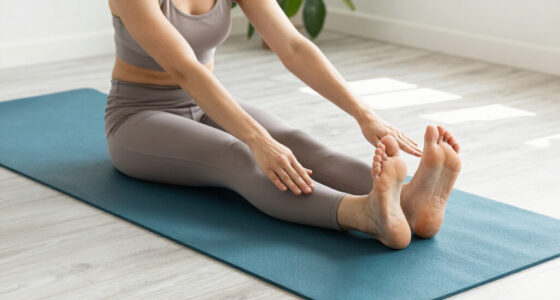
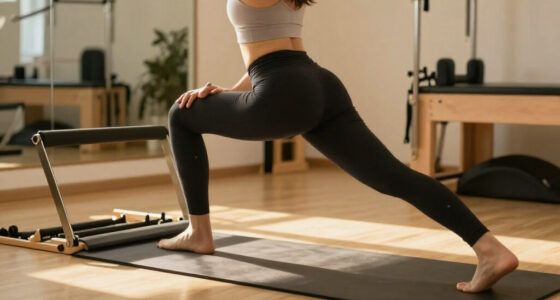
The suggested sequence includes a standing calf stretch against a wall, a one-minute cat-cow movement, a supine figure-four stretch for the hip and glute area, and a standing hamstring stretch. Fit&Well presents the moves as a way to address muscle tension and joint stiffness that may follow a longer bout of walking; it does not report results from a trial testing the routine.
Tsai recommends holding the static stretches for 10 to 30 seconds. The guide says older adults may benefit from holding them for 30 to 60 seconds, while cat-cow is performed continuously for about a minute rather than held as a static position. For the first few weeks, the report suggests stretching two or three times per week, then increasing frequency if comfortable.
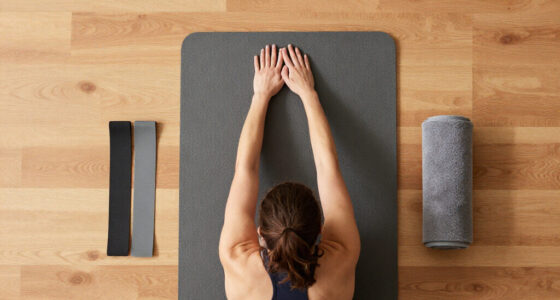
For the calf move, stand facing a wall, place the toes of one foot against it and keep the heel on the ground. Lean forward only until a comfortable calf stretch is felt; moving the heel closer to the wall increases intensity. For cat-cow, begin on hands and knees, gently round the back, then slowly arch it, coordinating the movement with breathing. Tsai advises exhaling while rounding and inhaling while arching.
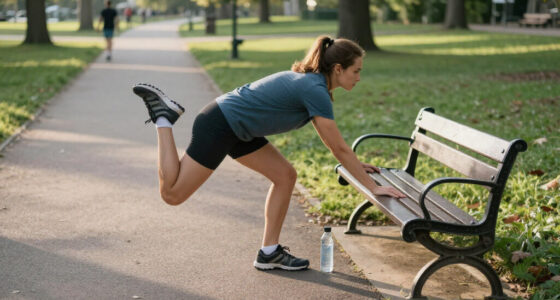
For the figure-four, lie on your back with knees bent, cross one ankle just below the opposite knee, then draw the uncrossed thigh toward the chest. If that already creates a strong stretch, the guide says to remain there rather than pulling the leg closer. For the hamstring move, extend one foot in front with its heel down and toes lifted, bend the other knee, and hinge the hips back. A wall or chair can provide balance support; a raised foot can make the stretch more intense.
How to Keep the Routine Comfortable
The advice matters to walkers who feel tight after longer outings because it offers simple options requiring little equipment and explains how to adjust them. The range of stretches targets several areas used during walking, rather than asking people to force a single deep stretch. That may make the routine easier to adapt to different levels of flexibility and balance.
Still, the report offers exercise guidance, not evidence that these moves prevent stiffness or injury. Individual responses vary, and stretching should not cause pain. Tsai advises gradually easing into a comfortable degree of tension and keeping the back neutral in all the stretches except cat-cow. Anyone with an injury or reservations is advised to consult a doctor before trying them.
Products Worth Considering

Garmin Forerunner 935 GPS Running and Triathlon Watch

BowFlex Results Series SelectTech Adjustable Dumbbells (Pair)

Garmin Forerunner 170 GPS Running Smartwatch Bundle, Whitestone
As an affiliate, we earn on qualifying purchases.
Why the Guide Focuses on Long Walks
Fit&Well distinguishes a short stroll from a longer walk or hike, saying larger doses of walking may leave some people stiff or sore. The report identifies the quads, hamstrings, calves and hips as areas that can be strained, and quotes Tsai describing the routine as targeting muscles used in walking, including the core, back, hips and glutes.
The source provides no study data, participant figures or measured outcomes for the four-move routine. Its value is as practical, attributed guidance from a physical therapist, rather than proof that a particular sequence or schedule works for every walker. The stated timings are suggestions, not a prescribed treatment plan.
“These stretches target the major muscle groups that are utilized [during walking], specifically the core, back, hip/glutes, hamstrings, and calves.”
— Margaret Tsai, physical therapist with Sutter Health, as quoted by Fit&Well
Limits of the Stretching Advice
Fit&Well does not state when the report was published, cite research assessing the four stretches, or quantify how much they reduce stiffness or muscle tension. It is also unclear whether the routine has been tested as a set or whether the frequency and holding times are based on a specific clinical study. The reported benefits should be understood as the rationale for the recommendations, not a guaranteed outcome.
The guide does not address every health condition or explain how to modify each move for a particular injury. A stretch that feels manageable for one person may be uncomfortable for another. The source’s advice is to stop short of pain and speak with a doctor before trying the movements if an injury or other concern applies.
Adapting the Moves After Walking
The report does not announce a follow-up study or a next publication milestone. For readers who choose to try the sequence, the practical next step is to start gently after a walk, use support where needed and judge each move by comfort. Static positions can begin at 10 to 30 seconds, while cat-cow is performed slowly for about a minute; the guide suggests building from two or three sessions weekly toward daily stretching only if it feels comfortable.
People with injuries or concerns should seek medical advice before starting. Whether the stretches help an individual feel less stiff remains a personal response that the article does not measure.
Key Questions
Which four stretches does the Fit&Well guide recommend?
It lists a standing calf stretch, cat-cow, a supine figure-four stretch and a standing hamstring stretch.
How long should each stretch be held?
Fit&Well recommends 10 to 30 seconds for static stretches. It says older adults may benefit from 30 to 60 seconds. Cat-cow is done with slow alternating movements for about one minute, rather than held in one position.
Should these stretches hurt?
No. Tsai advises easing into a comfortable degree of tension and not stretching into pain. Reduce the range of motion or stop if a move hurts.
How often does the guide suggest stretching?
It suggests beginning with two or three sessions per week and gradually increasing toward daily stretching if comfortable. The report does not provide trial data establishing one schedule as best for everyone.
Who should check with a doctor first?
The guide advises people with an injury or reservations about doing the moves to consult a doctor before starting. Use a wall or chair for balance support during the standing hamstring stretch if needed.
Source: fitandwell.com