
TL;DR

Get workout gear delivered free with Prime
- Fast, free delivery on millions of items
- Prime Video, Amazon Music and more included
- Member-only deals all year
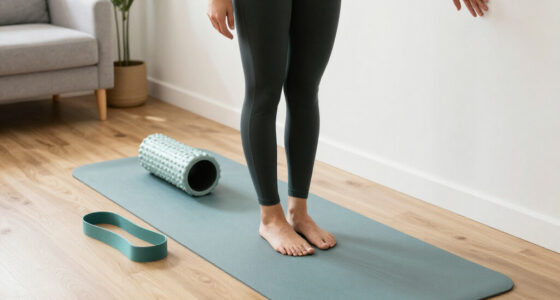
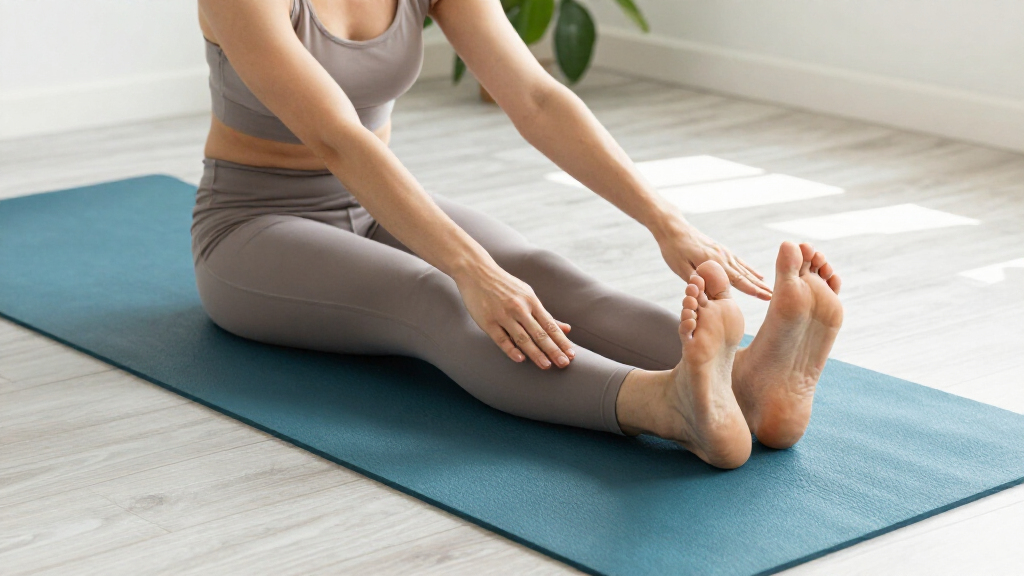
Yoga teacher Alina Boyett has shared a four-movement, beginner-friendly recovery flow that can be done at home without equipment. The sequence targets the legs, hips, back and shoulders; its benefits are described by Boyett, and the source does not report clinical testing or measured outcomes.
Fit&Well has published a four-pose recovery yoga flow created by Alina Boyett, founder of UK-based Yogalina Studios, for people seeking a gentle stretch after exercise or time spent sitting. The equipment-free sequence is presented as suitable for beginners, with Boyett advising people to move within a comfortable range and not push through pain.
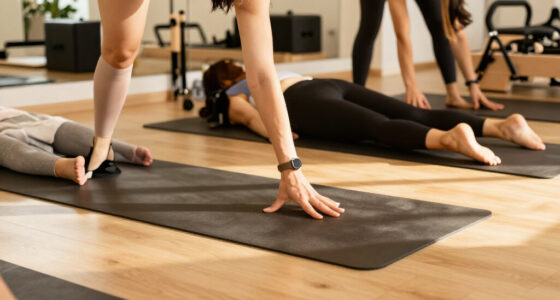
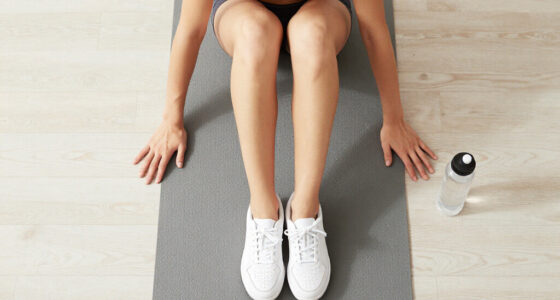
The sequence includes waterfall pose, child’s pose, a ragdoll forward fold and a seated spinal twist. Boyett says she chose the movements to address areas that commonly feel tense after exercise, including the legs, hips, spine and shoulders. A Yogalina teacher, Misha Clarke, demonstrates the flow in a video accompanying Fit&Well’s report.
The instructions call for one round of waterfall pose and child’s pose, each held for three to five breaths. The ragdoll fold is listed for two rounds of three to five breaths, while the seated twist is done for two rounds of two to three breaths on each side. People can soften their knees in the forward fold and use a gentle bend in the knees during waterfall pose if needed.
Boyett recommends moving slowly, breathing steadily and avoiding forced stretches. For the twist, the instructions describe a gentle rotation of the upper body, followed by a return to center and a repeat on the other side. The report advises anyone with an injury or relevant medical condition to seek appropriate professional guidance before trying the sequence.
A Short Routine for Rest Days
The report addresses a practical question for people who exercise or spend long periods sitting: how to add gentle movement without treating every session as another workout. Boyett frames recovery as part of maintaining a healthy, resilient body, rather than as simply doing nothing. The four movements offer readers a defined routine they can try at home without specialist equipment or advanced yoga experience.
That framing is guidance from the yoga teacher, not evidence that the sequence produces a particular health outcome. The article does not provide research findings, clinical measures or comparisons with other recovery methods. Readers should understand the suggested effects as the instructor’s rationale, not a guarantee that the flow will reduce soreness, prevent injury or improve flexibility for everyone.
Products Worth Considering

Bowflex PR1000 Home Gym

Blueair Blue Pure 511i Max Air Purifier

Blueair Blue Pure 211i Max Air Purifier
As an affiliate, we earn on qualifying purchases.
How the Four Poses Fit Together
Boyett told Fit&Well that regular exercise can support progress, while time for recovery also matters. She said people might use the flow after a challenging workout or run, or following a day at a desk. Her approach combines restorative postures, a forward fold and gentle twists, aiming to keep the movement accessible rather than demanding a large range of motion.
In her description, waterfall pose gives the legs a supported position against a wall; child’s pose is intended to stretch the back, hips and shoulders; the forward fold focuses on the back of the body; and the twist adds rotation through the torso. The instructions emphasize adapting each movement to comfort. No prior yoga experience or equipment is required, according to the report, though the waterfall pose does require a nearby wall.
Evidence and Individual Suitability
The report does not identify a study testing this particular four-pose sequence, quantify changes in flexibility or recovery, or establish how often people should repeat it. Boyett’s comments about relaxation and easing tension are the instructor’s claims and recommendations; the source does not independently verify specific results.
How comfortable the poses feel will vary among individuals. The report advises people with injuries or relevant medical conditions to seek professional guidance, but it does not list condition-specific modifications. It also does not say whether the sequence is suitable for every person or provide alternatives for anyone who finds a pose uncomfortable.
Trying the Flow With Care
The published report provides the pose instructions and a demonstration by Yogalina teacher Misha Clarke; it does not announce a follow-up study or a planned update. Readers who choose to try the flow can follow Boyett’s directions to move slowly, keep stretches comfortable and stop rather than push through pain. People with an injury or relevant medical condition are advised to consult an appropriate professional first.
Any longer-term effect on flexibility, tension or post-exercise recovery remains unreported. The immediate next step for readers is to treat the sequence as optional gentle movement, adapt it to their comfort and seek professional advice if they are unsure whether it is appropriate for them.
Key Questions
What poses are in the recovery yoga flow?
The four movements are waterfall pose, child’s pose, ragdoll forward fold and seated spinal twist. The report includes instructions for each pose and a demonstration by Yogalina teacher Misha Clarke.
Is the sequence intended for beginners?
Boyett describes the flow as not requiring advanced flexibility, equipment or previous yoga experience. The instructions still advise moving within a comfortable range and not forcing a stretch.
How long should each pose be held?
The guidance lists three to five breaths for waterfall pose and child’s pose, two rounds of three to five breaths for the forward fold, and two to three breaths per side for the seated twist. The report does not give a fixed total duration for the full routine.
Who should seek advice before trying the flow?
Boyett advises anyone with an injury or relevant medical condition to seek appropriate professional guidance before trying the sequence. The report does not provide condition-specific modifications.
Does the report show that the flow improves flexibility?
No measured results or clinical testing are reported. Boyett presents the sequence as gentle stretching for recovery, but specific effects on flexibility or soreness are not established in the source.
Source: rss