
TL;DR

Get workout gear delivered free with Prime
- Fast, free delivery on millions of items
- Prime Video, Amazon Music and more included
- Member-only deals all year
A Fit&Well writer reported reaching a 5,889-foot summit in Albania and credited year-round step-ups and Bulgarian split squats with helping her feel steady on rocky terrain. The exercises can be adapted at home or in a gym, but the account is personal experience, not evidence that they will prevent pain or injury for every walker.
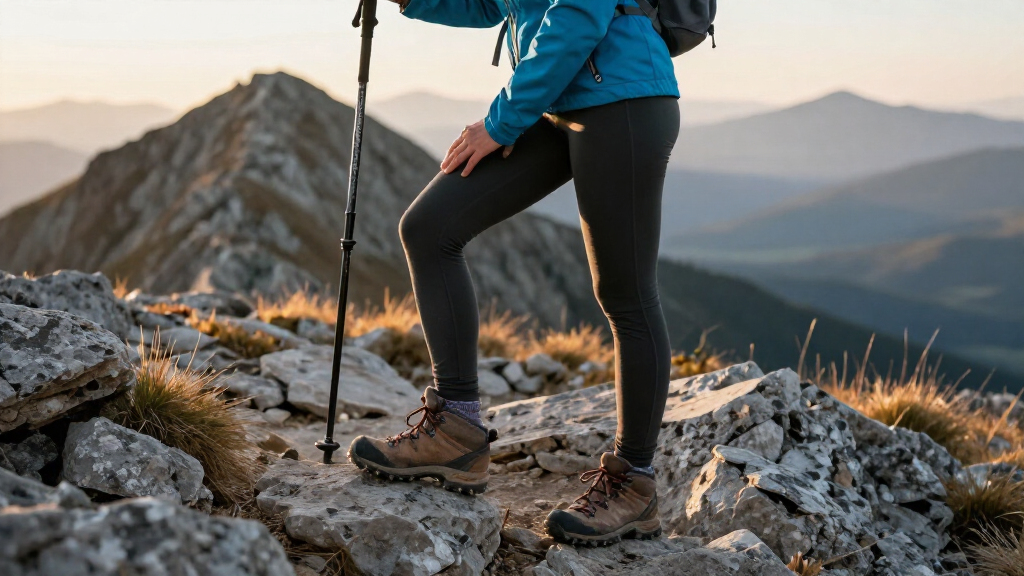
A Fit&Well writer says regular step-ups and Bulgarian split squats helped her feel steady while hiking to a 5,889-foot (1,795-meter) summit in Albania’s Albanian Alps. The account offers two practical strength exercises for walkers, but it is a personal report rather than a clinical finding or a guarantee of easier, pain-free hiking.
The writer says she lives in London, where challenging hills are not readily available, and makes trips elsewhere several times a year to walk in more demanding terrain. On a recent trip to the Albanian Alps, she reached the summit and described navigating boulders and large rocks. She reported having no knee discomfort on the descent, which she attributes in part to doing single-leg exercises throughout the year.
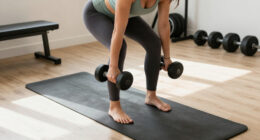
Her coach regularly includes two movements in her training plan, and she says she also programs them for personal-training clients: the step-up and the Bulgarian split squat. Both are performed one leg at a time. The report says they work the hips, hamstrings, quadriceps and glutes while also challenging core stability. A controlled step-up, in particular, resembles the action of climbing uphill, according to the writer.
The exercises can be done using a chair or other stable platform, or at a gym. For step-ups, the report suggests eight to 12 repetitions per side: place one foot on a platform, push through it to stand, then lower with control before switching sides. A lower step can make the movement easier; a higher surface or a weight held at the chest can increase the challenge. The Bulgarian split squat uses a raised support behind the body for the rear foot while the front knee bends and straightens. The writer also suggests eight to 12 repetitions per side and adding weights to make it harder.
Strength Work for Steeper Trails
The report connects year-round leg training with a specific walking challenge: ascending and descending a rocky mountain route. For walkers who have limited access to hills, it presents a way to practice lower-body strength at home or in a gym rather than relying only on outdoor climbs to prepare. The movements also require each leg to work independently, a feature relevant to stepping onto uneven ground.
That practical value should be kept separate from proof of effectiveness. The writer’s experience does not establish that these exercises caused her summit success, will improve every person’s uphill pace, or prevent knee pain. Readers can treat the routine as an example of preparation, not a substitute for conditioning on suitable terrain or individualized advice.
Products Worth Considering

BowFlex Results Series SelectTech Dumbbells

Bowflex SelectTech 840 Adjustable Kettlebell

Oral-B iO Series 3 Rechargeable Electric Toothbrush for Adults, Black
As an affiliate, we earn on qualifying purchases.
How the Two Moves Work
The exercises share a focus on single-leg strength, but their setups differ. In a step-up, a walker pushes from a raised surface and controls the return to the floor. The report highlights a slow, controlled repetition as a way to make the movement more closely resemble uphill stepping. The Bulgarian split squat keeps the back foot elevated while the front leg bears much of the movement.
The writer says both exercises can progress from bodyweight to added resistance, allowing the load or platform height to change. The source does not provide a formal training schedule, a recommended number of weekly sessions, or a specific progression plan. It also does not report a measured comparison between the writer’s hiking ability before and after adopting the exercises.
What the Account Cannot Establish
The report does not give the hike’s date, route details, duration, elevation gain, or the writer’s training frequency and history. It also does not say whether she used other preparation, such as longer walks, cardiovascular training, or practice on hills. Those missing details make it difficult to isolate the role of the two exercises in her performance.
No study or clinical evidence is cited in the supplied report to show that the routine will deliver the same result for other walkers. The writer’s lack of knee discomfort is reported as an individual outcome, not a promise of injury prevention. The article also does not provide modifications for people with existing pain, balance limitations, or other health concerns.
Adapting the Routine Safely
The report gives readers a basic starting point—eight to 12 repetitions on each side—and options to adjust the challenge, but it does not prescribe a complete hiking-training program. Walkers considering the moves can begin with bodyweight and a low, stable platform, then change the height or add resistance only if the movement remains controlled. A secure chair or bench matters, particularly when raising the rear foot for a split squat.
Anyone with a current injury, persistent discomfort, or a health condition should seek guidance from a qualified professional before adding or intensifying strength work. The next steps for the Fit&Well account are not specified: it gives no announced follow-up, further testing, or broader comparison with other training methods.
Key Questions
Which two exercises did the writer use?
The writer named step-ups and Bulgarian split squats, saying her coach includes both in her training plan.
How many repetitions does the report suggest?
It suggests eight to 12 repetitions per side for each exercise. It does not specify how many sessions to do per week.
Can the exercises be done at home?
The writer says they can be performed at home with a chair or similar platform, as well as in a gym. The support should be stable, and the movement should remain controlled.
Do these exercises prevent knee pain on hikes?
The report does not establish that. The writer said she had no knee discomfort on her descent, but that is a personal experience, not evidence that the exercises prevent pain or injury for other walkers.
How can a beginner adjust the exercises?
The report recommends making step-ups easier with a lower platform and increasing difficulty with a higher one or added weight. People with pain, balance concerns, or health conditions should seek professional guidance before changing their training.
Source: fitandwell.com