
TL;DR

Get workout gear delivered free with Prime
- Fast, free delivery on millions of items
- Prime Video, Amazon Music and more included
- Member-only deals all year
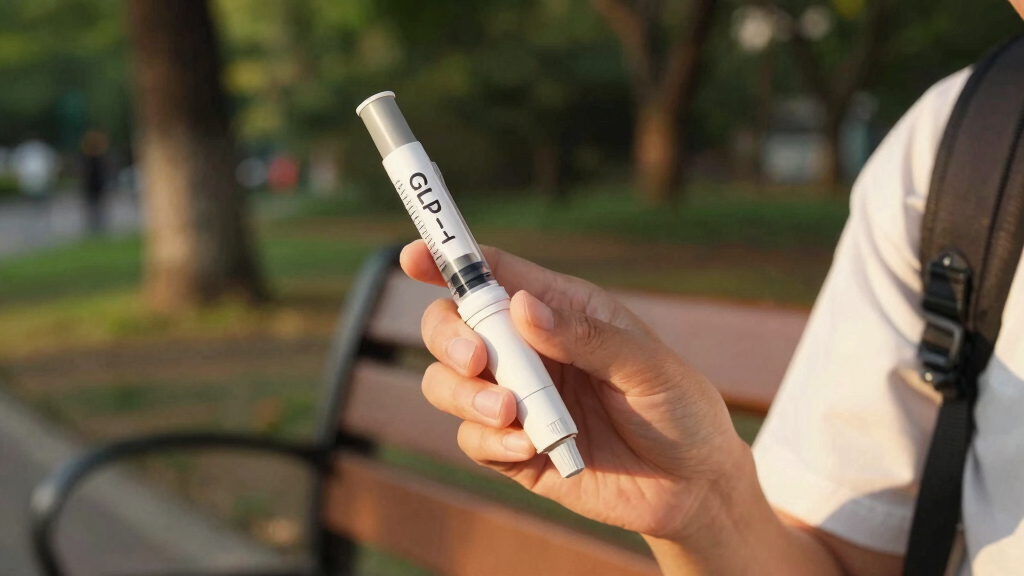
Recent research indicates that GLP-1 drugs, used primarily for diabetes and weight management, might have properties that could support longer life. However, butterfly that barely ages could help unlock longevity secrets and further studies are needed.
Emerging research suggests that GLP-1 receptor agonists, commonly prescribed for type 2 diabetes and obesity, may have the potential to support increased longevity. While these drugs are already approved for specific medical conditions, this giant tropical fruit could help reverse gum disease damage and scientists are now investigating whether they could also influence aging processes, though conclusive evidence remains unavailable.
Recent animal studies have shown that GLP-1 drugs can improve metabolic health and reduce age-related deterioration, sparking interest in their possible role in extending lifespan. Researchers emphasize that these findings are preliminary and primarily based on animal models, with human data still limited.
Several ongoing clinical trials are examining the broader effects of GLP-1 receptor agonists beyond their current indications. Experts caution that, despite promising signs, there is no confirmed evidence yet that these drugs can directly increase human lifespan.
Potential Impact of GLP-1 Drugs on Human Longevity
If future research confirms that GLP-1 receptor agonists can support longevity, it could lead to a significant shift in aging-related healthcare. These drugs might become part of broader strategies to prevent age-associated diseases and improve quality of life in older adults. However, until definitive evidence is available, their primary use remains for managing diabetes and weight loss.
GLP-1 receptor agonist semaglutide
As an affiliate, we earn on qualifying purchases.
As an affiliate, we earn on qualifying purchases.
Background on GLP-1 Drugs and Aging Research
GLP-1 receptor agonists, such as semaglutide and liraglutide, have been widely used since their approval for type 2 diabetes and obesity management. Recent animal studies have indicated that these drugs can improve metabolic functions, reduce inflammation, and potentially influence cellular aging processes. The idea that they might extend lifespan is based on these biological effects, but human studies are still in early stages.
Research into anti-aging therapies has gained momentum over the past decade, with scientists exploring various drugs and interventions. GLP-1 drugs are among the promising candidates due to their metabolic benefits, which are closely linked to aging-related diseases such as cardiovascular disease, neurodegeneration, and metabolic syndromes.
“While animal studies are promising, we need rigorous human trials to determine if GLP-1 drugs can truly influence aging and extend lifespan.”
— Dr. Jane Smith, Aging Research Institute
Liraglutide weight loss medication
As an affiliate, we earn on qualifying purchases.
As an affiliate, we earn on qualifying purchases.
Unconfirmed Evidence and Ongoing Human Trials
Currently, there is no conclusive evidence that GLP-1 drugs can extend human lifespan. Most findings are based on animal models, and human data is limited and preliminary. Several clinical trials are underway, but results are not expected for several years, and regulatory approval for anti-aging use has not been sought or granted.
GLP-1 drugs for diabetes management
As an affiliate, we earn on qualifying purchases.
As an affiliate, we earn on qualifying purchases.
Next Steps in Research and Potential Clinical Trials
Researchers plan to conduct larger, long-term human studies to evaluate the effects of GLP-1 receptor agonists on aging markers and lifespan. Regulatory agencies will monitor these trials, and if results are promising, they may consider expanding indications. Meanwhile, scientists continue to explore the biological mechanisms underlying any potential anti-aging effects.
anti-aging supplements for metabolic health
As an affiliate, we earn on qualifying purchases.
As an affiliate, we earn on qualifying purchases.
Key Questions
Can GLP-1 drugs currently be used for anti-aging?
No, GLP-1 receptor agonists are approved for diabetes and weight management, not for anti-aging. Their potential role in extending lifespan is still under investigation.
What evidence supports the idea that GLP-1 drugs could support longevity?
Animal studies have shown metabolic and cellular benefits that could theoretically influence aging processes, but human data is limited and inconclusive.
Are there risks associated with using GLP-1 drugs for purposes other than approved indications?
Using GLP-1 drugs outside approved indications may carry risks, and their safety and efficacy for anti-aging have not been established. Always consult healthcare professionals before considering off-label use.
When might we see definitive evidence about GLP-1 drugs and lifespan extension?
It could take several years of ongoing research and clinical trials before clear conclusions are available, depending on study outcomes and regulatory reviews.
Source: rss
Halloween Picks
halloween
As an affiliate, we earn on qualifying purchases.