
TL;DR

Get workout gear delivered free with Prime
- Fast, free delivery on millions of items
- Prime Video, Amazon Music and more included
- Member-only deals all year
Many individuals use ‘protecting their peace’ as a reason to avoid difficult conversations or responsibilities. Experts warn this can lead to unhealthy avoidance rather than genuine self-care. This development highlights the need to distinguish between healthy boundaries and avoidance behaviors.
Recent discussions among mental health experts and social commentators reveal that the popular phrase ‘protecting your peace’ is increasingly being used to justify avoidance of difficult situations or responsibilities. While setting boundaries is a recognized aspect of self-care, critics warn that this trend may mask unhealthy avoidance, potentially harming relationships and personal growth.
The phrase ‘protecting your peace’ has gained popularity on social media and in everyday conversations, often used to excuse skipping confrontations, declining commitments, or withdrawing from challenging interactions. Mental health professionals, however, caution that when overused, this mindset can lead to emotional avoidance, preventing individuals from addressing issues that require engagement and resolution. Experts emphasize that healthy boundaries involve honest communication and self-awareness, whereas avoidance can foster isolation and unresolved conflicts.Studies and clinical observations suggest that avoidance behaviors—such as withdrawing from difficult conversations or responsibilities—may temporarily reduce stress but often exacerbate underlying problems over time. Psychologists note that while protecting one’s mental health is vital, it should not come at the expense of meaningful relationships or personal accountability. Some social commentators argue that the phrase has become a catch-all excuse, diluting its original intent of fostering healthy boundaries.
Impacts of Misusing ‘Protecting Your Peace’
This trend matters because it influences how individuals navigate personal boundaries and conflicts. When ‘protecting your peace’ becomes a default excuse for avoidance, it can undermine relationships, hinder problem-solving, and contribute to emotional isolation. Recognizing the difference between healthy boundary-setting and avoidance is essential for maintaining mental well-being and fostering genuine connections.
self-care boundary setting journal
As an affiliate, we earn on qualifying purchases.
As an affiliate, we earn on qualifying purchases.
Rise of Self-Care Language and Its Double-Edged Nature
Over the past few years, phrases like ‘protecting your peace’ and ‘self-care’ have become central to mental health conversations, especially on social media platforms. While these concepts promote awareness of mental well-being, critics argue that their overuse can lead to a culture of avoidance. Mental health advocates have expressed concern that such language sometimes justifies disengagement from difficult but necessary interactions, blurring the line between self-preservation and avoidance.
Historically, setting boundaries has been a healthy practice, but the current trend reflects a broader societal shift where discomfort is often seen as something to be avoided at all costs. This has implications for personal growth, conflict resolution, and community cohesion, as individuals may prioritize immediate peace over long-term relationship health.
“While protecting your mental space is important, using it as a blanket excuse to avoid conflict can hinder personal growth and damage relationships.”
— Dr. Lisa Morgan, clinical psychologist
conflict resolution communication cards
As an affiliate, we earn on qualifying purchases.
As an affiliate, we earn on qualifying purchases.
Unclear Boundaries Between Self-Care and Avoidance
It remains unclear how widespread the misuse of ‘protecting your peace’ is across different demographics and whether this trend is increasing over time. Experts acknowledge that individual motivations vary, and some may genuinely need space for mental health reasons. However, the extent to which avoidance is consciously or unconsciously being masked under this phrase is still being studied. Further research is needed to understand its long-term impact on personal and relational health.
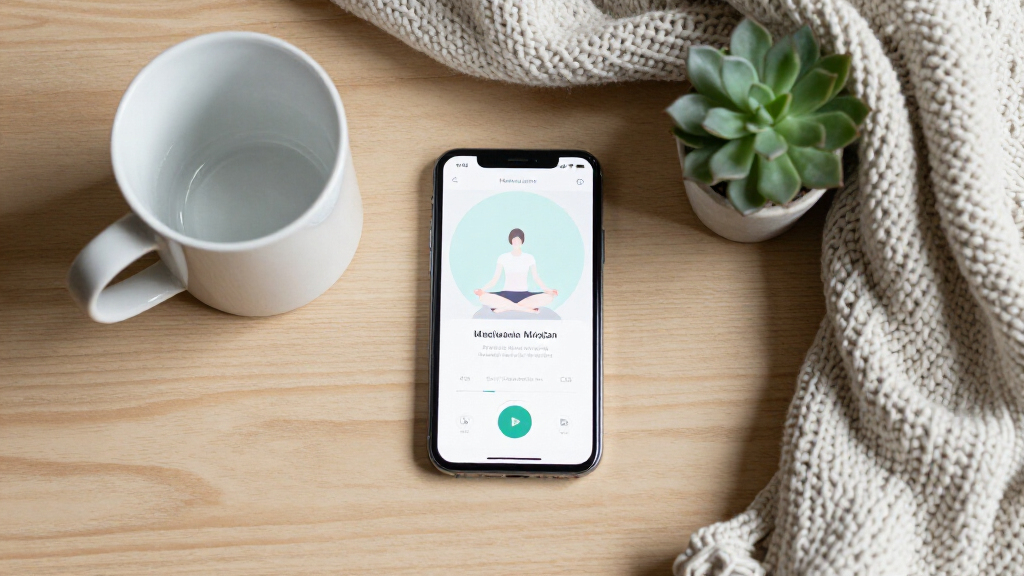
stress relief mindfulness meditation app
As an affiliate, we earn on qualifying purchases.
As an affiliate, we earn on qualifying purchases.
Monitoring Cultural Shifts and Promoting Healthy Boundaries
Mental health professionals and educators are expected to develop clearer guidelines on distinguishing healthy boundary-setting from avoidance. Public awareness campaigns may focus on encouraging honest communication and emotional resilience. Additionally, social media platforms and community programs might play a role in fostering conversations that clarify when protecting one’s peace is self-care versus avoidance. Researchers are also likely to examine the long-term effects of this linguistic trend on mental health and social cohesion.
emotional regulation therapy workbook
As an affiliate, we earn on qualifying purchases.
As an affiliate, we earn on qualifying purchases.
Key Questions
How can I tell if I’m avoiding something or setting healthy boundaries?
Reflect on your motivations: Are you communicating honestly about your needs, or are you withdrawing to avoid discomfort? Healthy boundaries involve clear, respectful communication, while avoidance often involves silence or disengagement without addressing the issue.
Is it okay to sometimes avoid conflicts for mental health reasons?
Yes, taking space or stepping back can be beneficial for mental health, but it should not become a pattern of avoiding necessary conversations or responsibilities. Balance and self-awareness are key.
What are the risks of overusing ‘protecting your peace’ as an excuse?
Overuse can lead to emotional isolation, unresolved conflicts, and damaged relationships. It may also prevent personal growth and hinder problem-solving skills.
How can I practice healthy boundaries without falling into avoidance?
Communicate openly about your needs, set limits respectfully, and confront issues when appropriate. Seeking support from a therapist or counselor can also help develop balanced boundary-setting skills.
Source: rss
Halloween Picks
halloween
As an affiliate, we earn on qualifying purchases.