TL;DR

Get workout gear delivered free with Prime
- Fast, free delivery on millions of items
- Prime Video, Amazon Music and more included
- Member-only deals all year
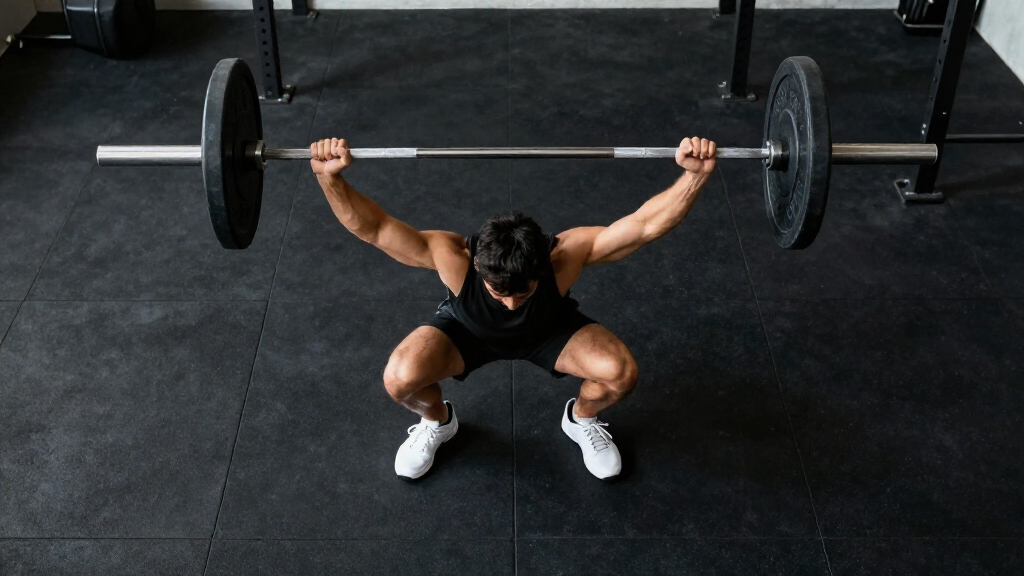
Certified personal trainer Francesco Zen told Fit&Well that pressing the knees outward and shifting weight toward the outer edges of the feet helped him engage his glutes during the overhead squat. He recommends building the movement with mobility work and lighter variations before trying a barbell overhead.
Certified personal trainer Francesco Zen told Fit&Well that shifting weight toward the outer edges of the feet and pressing the knees outward helped him engage his glutes and improve his overhead squat. The trainer and ZLIFE founder described the movement as a demanding, full-body exercise and advised learning it with a dowel or plastic pipe before attempting it with a barbell.
Zen said the overhead squat requires mobility, core activation and flexibility, as well as stability through the legs and torso. In his account, the glutes support the movement throughout its range. As a person lowers into the squat, he recommends directing weight toward the outer part of the feet while pushing the knees outward. He described that change in stance and knee position as a simple adjustment that altered how the exercise felt for him.
Zen also stressed that the cue is not a substitute for practice. The article reports that regularly rehearsing the movement helps develop the combination of mobility and stability it requires. For people who are new to the exercise, it recommends first working on ankle, hip, spine and shoulder mobility, then practicing a bodyweight squat with arms raised overhead. Wall-based squat and reach drills are among the suggested ways to work on the upper-body position.
After that, beginners can use a gym dowel, plastic pipe or broom to practice keeping the arms and torso aligned. Zen also suggests a Frankenstein squat, in which the arms extend forward at shoulder height, as a less difficult way to train similar foundations. The report advises seeking help from an exercise professional or spotter when progressing to the overhead squat, particularly before adding weight.
Why the Foot Pressure Cue Matters
The advice gives readers a specific technique cue rather than presenting the overhead squat as a movement to load immediately. Keeping the bar or pipe steady overhead while the hips and knees bend calls for control across several parts of the body. Zen’s emphasis on the outer-foot pressure and outward knee tracking offers a practical focus for people learning the pattern, while the staged progression gives them ways to practice without starting with a loaded barbell.
The article also distinguishes between being able to perform a squat and being ready for the overhead version. A person may need to build shoulder, spine, hip and ankle mobility to reach and hold the overhead position while maintaining an upright torso. Using a dowel or an easier variation can help someone assess the movement before adding resistance. The report does not provide clinical evidence or measurements showing the cue improves performance for everyone; it presents Zen’s experience and coaching advice.
wooden gym dowel rod for squat mobility exercises
As an affiliate, we earn on qualifying purchases.
As an affiliate, we earn on qualifying purchases.
A Progression Before the Barbell
Fit&Well’s report gathered advice from certified trainers about movements they had once found difficult and what helped them improve. Zen’s account centers on the overhead squat, an advanced variation in which the exerciser holds a pipe or barbell overhead while squatting. The article says learners should first master the position with a lighter implement such as an exercise stick or plastic pipe.
Its suggested progression starts with mobility and bodyweight practice, then moves to unsupported repetitions holding a dowel. The Frankenstein squat places the arms forward at shoulder height rather than overhead, making the position easier to stabilize, according to Zen. In the full movement, the exerciser holds the implement directly over the shoulders, braces the core, lowers with the knees tracking over the feet and keeps the implement steady while standing back up.
“The glutes support the whole movement, top to bottom.”
— Francesco Zen, speaking to Fit&Well
resistance bands for hip and ankle mobility warm up
As an affiliate, we earn on qualifying purchases.
As an affiliate, we earn on qualifying purchases.
What the Report Does Not Establish
The source presents Zen’s personal experience and coaching recommendations; it does not report a controlled study testing whether this cue works for all lifters or comparing it with other technique instructions. The article also does not specify a standard number of practice sessions, mobility benchmarks, or a point at which every reader can safely progress to a barbell.
Individual ability and comfort can vary, and the report does not assess readers’ injuries, movement limitations or training history. It is not clear whether Zen’s suggested foot-pressure cue should be adjusted for particular body proportions or coaching approaches. The advice to use an exercise professional or spotter is relevant when learning the advanced version, but the article does not set out a formal screening process.
As an affiliate, we earn on qualifying purchases.
How Readers Can Build the Movement
The report sets out a gradual route rather than a scheduled training plan: work on mobility in the ankles, hips, spine and shoulders; practice a bodyweight squat with the arms raised; then use a dowel or pipe to rehearse the overhead position. A Frankenstein squat can provide another step before the full overhead variation. The article does not announce a follow-up study or a forthcoming update, so no additional milestone is stated.
Anyone trying the movement can keep the implement light, stop if the position causes pain, and seek guidance from a qualified exercise professional, especially before using a loaded barbell. The next practical step is to judge control and mobility at each stage rather than treating the overhead squat as a test to complete quickly.
As an affiliate, we earn on qualifying purchases.
Key Questions
What squat cue did Francesco Zen recommend?
Zen recommended shifting weight toward the outer edges of the feet and pressing the knees outward as the body lowers. He said this helped him engage his glutes during the overhead squat.
Should beginners start with a barbell overhead?
No. The Fit&Well report recommends first practicing with bodyweight and then using a dowel, plastic pipe or similar light implement. It also advises learning the movement in stages before trying a weighted overhead squat.
What is a Frankenstein squat?
It is a squat variation with the arms held forward at shoulder height, or a bar balanced across the front of the shoulders, rather than held overhead. Zen says this position is easier to stabilize while training similar core, glute and mobility foundations.
What mobility does the overhead squat require?
The article identifies mobility in the ankles, hips, spine and shoulders as useful preparation for the movement. It does not give a specific test or measurement for deciding when someone is ready to progress.
Is the tip proven to work for everyone?
The report attributes the cue to Zen’s experience and coaching advice. It does not cite research showing the technique improves overhead squats for every person, so readers may benefit from individual instruction and should not treat the tip as a universal guarantee.
Source: rss
Fall Picks
fall essentials
As an affiliate, we earn on qualifying purchases.