
TL;DR

Get workout gear delivered free with Prime
- Fast, free delivery on millions of items
- Prime Video, Amazon Music and more included
- Member-only deals all year
A Fit&Well writer says they added child’s pose and a standing forward fold after daily walks to address stiffness they noticed after moving to a hilly area. Physiotherapist Helen O’Leary says the positions stretch lower-back soft tissues and may ease post-walk discomfort, but the report does not establish that they work for everyone.
Fit&Well has published a first-person account of two stretches its writer does after daily walks—child’s pose and a standing forward fold—after noticing stiffness in the hips, legs and back while walking in a hilly area. Physiotherapist Helen O’Leary says both positions can stretch soft tissues in the lower back and may help alleviate discomfort, though the report describes one person’s routine rather than evidence that the stretches will benefit everyone.
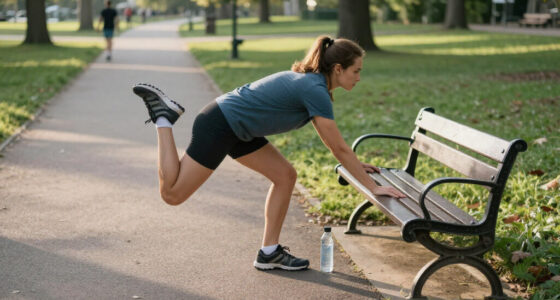
The writer says walking is their only daily form of exercise and that walks generally last no more than an hour. They had assumed that low-impact walking did not require a recovery routine, but began noticing stiffness after moving to a hilly area. In response, they added two stretches that take a few minutes and hold each for about one minute. The writer reports feeling less stiff for the rest of the day; that is a personal account, not a measured outcome.
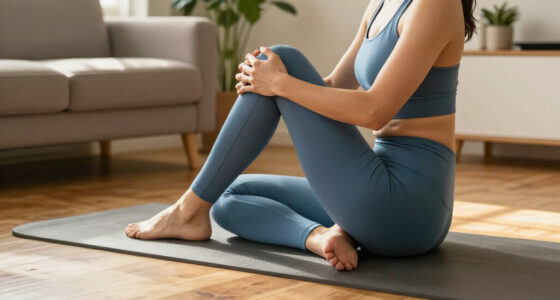
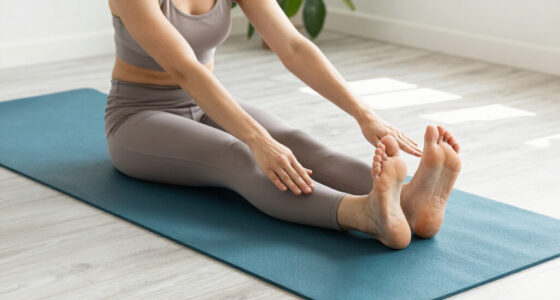
For child’s pose, kneel with the knees wider than hip-width apart, reach the arms forward and sit the hips back toward the heels. For a standing forward fold, stand with feet hip-width apart and lower the arms toward the feet, keeping the knees bent. The source advises stopping when a stretch is felt in the hamstrings. These are descriptions of the writer’s routine, not individualized clinical instructions.
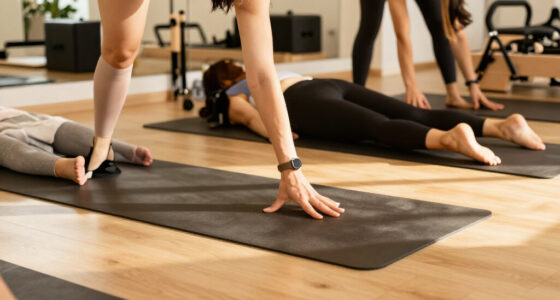
O’Leary, identified by Fit&Well as a physiotherapist at Complete Pilates, says the positions put the spine into flexion and stretch soft tissues in the lower back. She also describes an optional side bend in child’s pose: walk the hands to one side and sit back into the opposite hip, then repeat on the other side. The source does not provide a study, clinical trial or comparison showing how much the stretches reduce discomfort.
A Short Routine After Hilly Walks
The report gives readers a simple, specific routine to try after walking, particularly if they notice stiffness after a longer or hillier route. Its practical point is that a low-impact activity can still leave some people feeling stiff, and a brief mobility habit may fit more readily into a daily schedule than a longer recovery session.
But the reported benefit is limited to the writer’s experience and O’Leary’s explanation of how the positions may affect the lower back. Stretches are not a guaranteed remedy, and the article does not show that they prevent injury, resolve persistent pain or replace professional assessment. Readers should treat the routine as general information and adjust or stop if a movement causes pain.
Products Worth Considering

Withings Body Scan Smart Scale with Segmental Body Composition and ECG, Black

Hyperice Hypervolt Go 3 Percussion Massage Gun with Carry Case

Levoit Core 600S-P Smart Air Purifier for Large Rooms
As an affiliate, we earn on qualifying purchases.
Why the Writer Added Two Stretches
The writer says the change followed a move to a hilly area, where they began experiencing stiffness in their legs, hips and back after walking. Although the walks were described as low intensity and did not make the writer sweat, they came to recognize that regular walking could still be followed by discomfort.
The writer chose the two positions because they target the hips and legs while moving the back, which they describe as their stiffest area. They also link stretching to walking through “habit stacking”: pairing a new behavior with an existing one. In this case, stretching directly after a daily walk is the writer’s way of making the routine more consistent. The account does not report how long the writer has followed it or whether the approach was assessed by a clinician.
““It is quite common to feel a bit stiff or achy after walking, particularly following a long walk, and certain stretches can alleviate that discomfort.””
— Helen O’Leary, physiotherapist at Complete Pilates, as quoted by Fit&Well
Limits of the Personal Account
The source does not say when the report was published, how long the writer has used the routine, or whether their stiffness changed in a way that was tracked or measured. It also does not establish that the stretches relieve discomfort for other walkers, or that they are suitable for people with specific injuries or health conditions.
O’Leary’s comments offer a physiotherapist’s explanation, but the material provided does not cite research comparing these stretches with other recovery approaches. The description of stiffness after walking should not be taken as a diagnosis; the cause and severity of discomfort can vary.
How to Approach the Routine
The Fit&Well account does not announce a follow-up, study or planned update. Its next step for readers is simply to try the described movements gently, if they are comfortable, and see how they feel afterward. The writer holds each stretch for about a minute; the source does not establish that this duration is necessary or best for everyone.
Use a bent-knee position in the forward fold, move within a comfortable range and stop if a stretch becomes painful. People with ongoing or severe symptoms, an injury, or a condition that affects movement should seek guidance from a qualified health professional before starting a new routine. Whether the writer’s reported improvement continues over time is not stated.
Key Questions
Which two stretches does the Fit&Well writer do after walking?
The writer does child’s pose and a standing forward fold, holding each for about a minute.
How does the writer describe child’s pose?
Kneel with the knees wider than hip-width, reach the arms forward and sit the hips back toward the heels. The source also describes walking the hands to one side for an optional side bend, then repeating on the other side.
What does the physiotherapist say the stretches may do?
Helen O’Leary says the positions put the spine into flexion and stretch soft tissues in the lower back, and that some stretches may alleviate post-walk discomfort. The report does not establish that they will work for every person.
Do the stretches have proven results for all walkers?
No such evidence is supplied in the report. The writer describes a personal experience, and the physiotherapist provides an explanation rather than results from a cited trial or measured comparison.
When should someone seek professional advice?
Anyone with persistent or severe pain, an injury, or a health condition affecting movement should consult a qualified health professional before starting a new stretching routine. Stop if a movement causes pain.
Source: rss