
TL;DR

Get workout gear delivered free with Prime
- Fast, free delivery on millions of items
- Prime Video, Amazon Music and more included
- Member-only deals all year
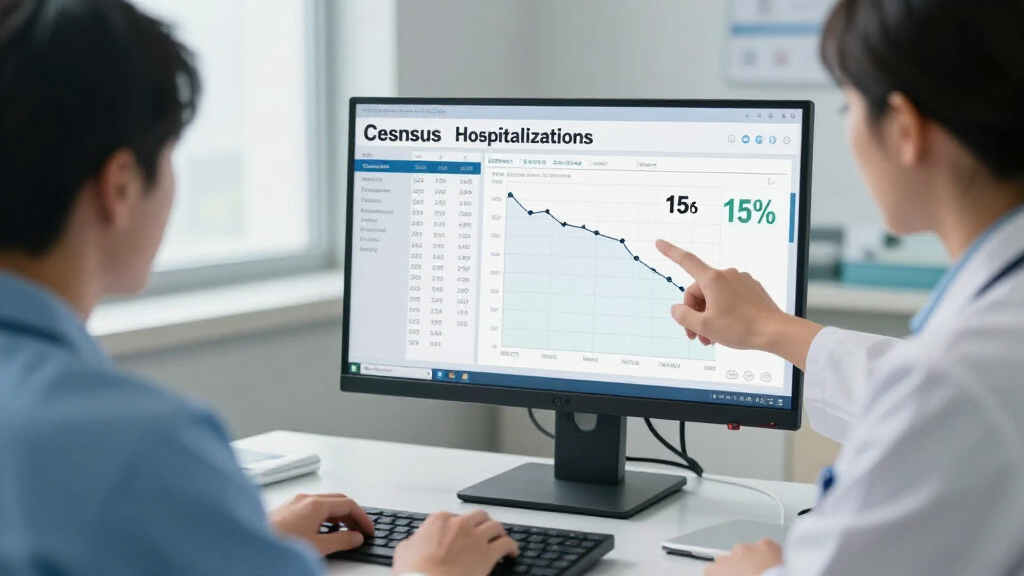
Team Select Home Care says its CareSight AI platform now covers 100% of its patients through respiratory, cardiac and infection-detection models. The provider reports that hospitalizations fell 14.9% year over year from April through August 2026, based on company data; the figures have not been independently verified in the supplied report.
Team Select Home Care says its CareSight AI platform now covers 100% of its patient census and reports a 14.9% year-over-year drop in hospitalizations from April through August 2026. The Phoenix-based provider shared the outcome figures with Home Health Care News; they are company-reported data, not an independently verified evaluation in the source report.
CareSight uses more than a decade of Team Select patient records to help identify potential clinical decline. The platform monitors up to eight vital signs in real time, along with nurse notes and changes in condition, according to the company. Its models flag trends for clinicians to review; the report does not describe the system as making treatment decisions on its own.
Team Select built three models, covering respiratory conditions, cardiac conditions and infection detection. The company first deployed the respiratory model in 2025, then added cardiac monitoring and an infection model. CEO Fred Johnson told Home Health Care News the respiratory model took three years to develop, the cardiac model six months, and the infection model 90 days. Team Select says every patient is now covered by at least one of the three models.
The reported outcome compares hospitalization rates for April-August 2026 with April-August 2025. Johnson said the decline was 14.9%. The source provides no patient count, underlying rate for the comparison period, confidence interval or detailed methodology for this five-month result. Team Select also cites a prior seven-state Medicaid claims study it commissioned: Johnson said its monthly 30-day hospitalization rate before CareSight ranged from 3% to 8%, compared with an industry average of 10% to 20% per month. The report does not provide the study itself or details that would allow readers to assess the comparison independently.
How the Results Could Affect Contracts
The reported decline may give Team Select a basis to argue to health plans that its home-care services can help reduce hospital use among medically complex patients. The company says it expects CareSight data to support more value-based contracts, in which payment can be linked to outcomes such as hospitalizations and total cost of care, rather than relying only on fee-for-service rate increases.
That approach could matter as providers face limits on conventional rate negotiations. Johnson told Home Health Care News that Team Select is prepared to tie potential additional payment to delivering reductions in hospitalizations and overall costs. The reported data, however, do not establish that CareSight alone caused the change, or show whether the results have led to new contracts or payment increases.
For patients and care teams, the platform’s stated purpose is to identify possible deterioration earlier so clinicians can respond before a hospital visit becomes necessary. That potential benefit depends on alert accuracy and clinical follow-up. Team Select said early versions generated too many false positives, including alerts that did not account for an individual patient’s usual readings.
As an affiliate, we earn on qualifying purchases.
From Respiratory Pilot to Full Coverage
Team Select launched CareSight in 2025, using its historical patient records to develop predictive models. The company initially focused on respiratory patients, which Johnson said represented a suitable starting point given Team Select’s high-acuity care experience. The first model did not cover all diagnoses, so leadership assessed which conditions and combinations of conditions were associated with hospitalizations.
After adding the cardiac model, the two tools covered 65% of patients, according to the report. Team Select then developed its infection model, citing infections as a significant source of avoidable hospitalizations in its data. Johnson said preparation for later models took less time because the company had already organized historical data and learned from the initial model.
Team Select serves medically complex children and seniors at home and operates in 16 states. Private equity firm Court Square Capital Partners invested in the company in 2023. The provider is also redeveloping payer scorecards that it says will show measures including patient satisfaction, hospitalizations and emergency department visits for a plan’s members, with comparisons against industry averages.
“I knew that if we could do this, not only would it be a long-lasting competitive advantage … [it] would significantly decrease those hospitalizations even further.”
— Fred Johnson, Team Select president and CEO, speaking to Home Health Care News
As an affiliate, we earn on qualifying purchases.
Limits of the Reported Outcome Data
The 14.9% decline comes from company data shared with Home Health Care News. The supplied report does not include the number of patients measured, the hospitalization rates for both five-month periods, a breakdown by diagnosis or state, or a third-party analysis. It also does not explain whether patient mix or other changes in care could have influenced the year-over-year comparison.
It is not clear how the company defines the hospitalization rate in this five-month comparison or whether the result is statistically significant. The earlier 3%-to-8% figure and 10%-to-20% industry range refer to monthly 30-day hospitalization rates in a separate, company-commissioned seven-state Medicaid claims study, according to Johnson; they are not the baseline figures for the reported 14.9% change.
The source report says Team Select is developing a fourth, diabetes-focused model, but gives no completion date, deployment plan or outcome data for it. It also does not report whether the payer scorecards have been delivered to health plans or whether CareSight has already secured new value-based agreements.
As an affiliate, we earn on qualifying purchases.
Diabetes Model and Payer Talks
Team Select is building a fourth CareSight model focused on diabetes, according to the source report. The company has not provided a timeline for its completion or said when the model might enter use. Any expansion would add to the existing respiratory, cardiac and infection-detection coverage, but the report does not establish that the future model will produce similar results.
The provider also plans to redevelop payer scorecards to show measures such as hospitalizations, emergency department visits and patient satisfaction. Johnson said the information could support payer discussions and value-based contracting. The next indicators to watch include whether Team Select publishes fuller data on the hospitalization comparison, whether outside researchers assess the results, and whether payers sign contracts that link reimbursement to measured outcomes.
As an affiliate, we earn on qualifying purchases.
Key Questions
What did Team Select announce?
Team Select says its CareSight AI platform now covers 100% of its patient census through three models focused on respiratory conditions, cardiac conditions and infection detection.
How much did hospitalizations fall?
The company reported a 14.9% year-over-year decline for April through August 2026 compared with the same period in 2025. The figure is based on company data shared with Home Health Care News.
Has the reported decline been independently verified?
The supplied report does not describe an independent review of the 14.9% result. It also does not provide the patient count, detailed methodology or underlying rates for the two comparison periods.
How does CareSight work?
According to Team Select, CareSight uses more than a decade of patient records and monitors up to eight vital signs, nurse notes and changes in condition to flag trends for clinicians. The report says the company added patient-specific baselines to help reduce false alerts.
What is Team Select doing next?
The company is developing a diabetes-focused fourth model and redeveloping payer scorecards. It has not announced a launch date for the new model or confirmed that the scorecards have resulted in new contracts.
Source: rss
Fall Picks
fall essentials
As an affiliate, we earn on qualifying purchases.